World of Alice Puzzle Numbers: Number Puzzles for Young Learners
What This Game Is About
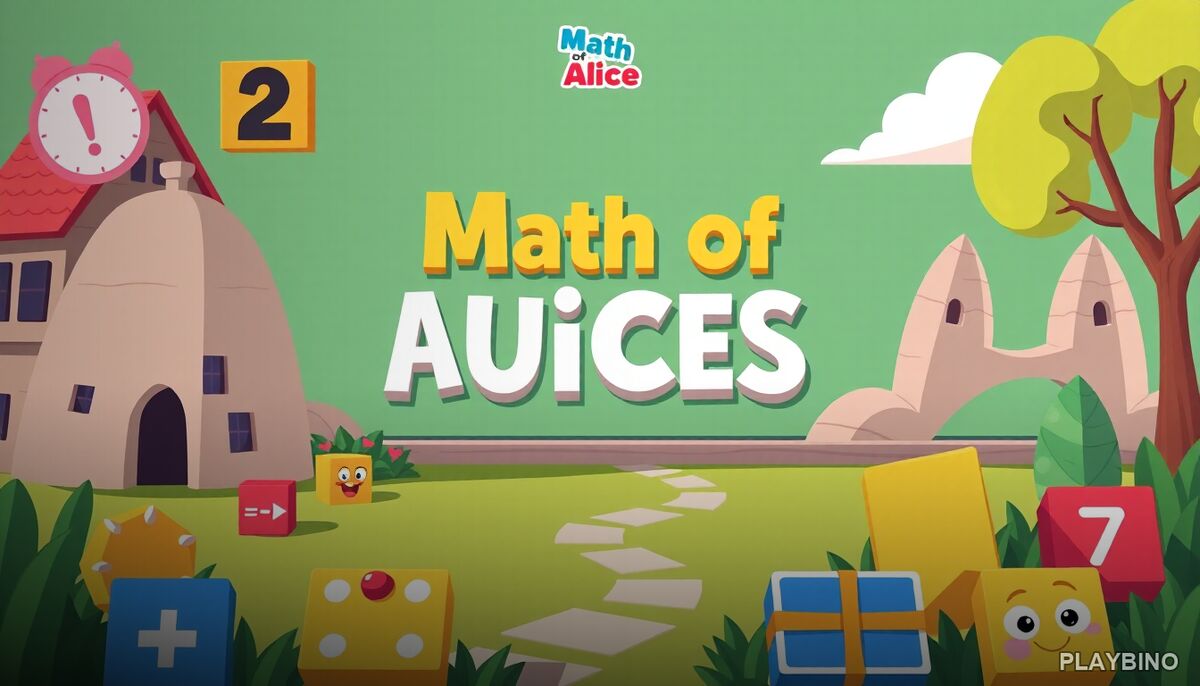
Number learning does not have to feel like a worksheet. World of Alice Puzzle Numbers frames counting and numerical order as a hands-on puzzle activity, where scattered tiles must be arranged to reveal a hidden picture. The logic is simple enough for young children to grasp immediately, but the satisfaction of completing each image keeps the experience genuinely rewarding. You can try the full puzzle experience here and see how quickly the concept clicks.
Puzzle Mechanics and How They Work
Each round presents a set of number tiles spread across the screen in no particular order. The player's job is to drag each tile into its correct position based on numerical sequence. As tiles land in the right spots, fragments of a colorful image begin to appear. Completing the sequence reveals the full picture along with a short completion animation.
Drag-and-Drop Controls
The controls rely entirely on drag-and-drop input, which makes the game accessible on both touchscreen devices and desktop browsers with a mouse. There are no timers forcing rushed decisions, so younger players can work through each puzzle at their own pace without frustration.
Difficulty Progression
Puzzles start with small number ranges and shorter sequences, then gradually expand as the player advances. Later stages introduce larger sets of tiles, which requires a stronger grasp of numerical order and sharper pattern recognition to complete efficiently.
The Educational Layer
The brain and logic design of this game sits underneath a cheerful visual style. Counting practice, number recognition, and understanding sequential order are all reinforced through repeated puzzle completion rather than through drills or memorization prompts. The learning happens naturally as part of the puzzle-solving loop, which is what separates this kind of interactive format from passive number exercises.
The Alice-themed artwork keeps the visual environment warm and inviting without overwhelming the puzzle elements. Colors are bright but not chaotic, and each completed image feels like a small reward rather than just a screen transition.
Who This Game Suits Best
Children in early numeracy stages will find the most value here. The game works well as a quiet solo activity, a classroom supplement, or something a parent can sit through alongside a young child. There is no reading required to understand the mechanics, which removes one more barrier for the youngest players.
- No countdown timers — players work at their own speed
- Multiple difficulty settings accommodate different learning stages
- Completion animations provide positive reinforcement
- Colorful imagery keeps attention without distracting from the numbers
- Drag-and-drop input works on touch and mouse devices
Puzzle Games Worth Comparing
If the tile-arrangement format appeals to you, the puzzle genre on PlayBino covers a wide range of styles and difficulty levels. FNF Puzzles takes a very different visual approach — that puzzle-based challenge is worth a look if you want something aimed at older players with a rhythm-game aesthetic rather than an educational focus.
Why the Format Works
Number puzzles succeed when the feedback loop is tight. Place a tile correctly, watch the image grow, finish the sequence, see the full picture. World of Alice Puzzle Numbers keeps that loop clean and consistent across every stage. The gradual increase in sequence length means the challenge scales alongside the player's growing confidence with numbers, making progress feel earned rather than arbitrary. For a logic and brain game aimed at young audiences, the structure is well thought out and genuinely functional as both entertainment and early numeracy practice.
"