World of Alice Rocks Textures: Geology Exploration for Young Learners
What the Game Is About
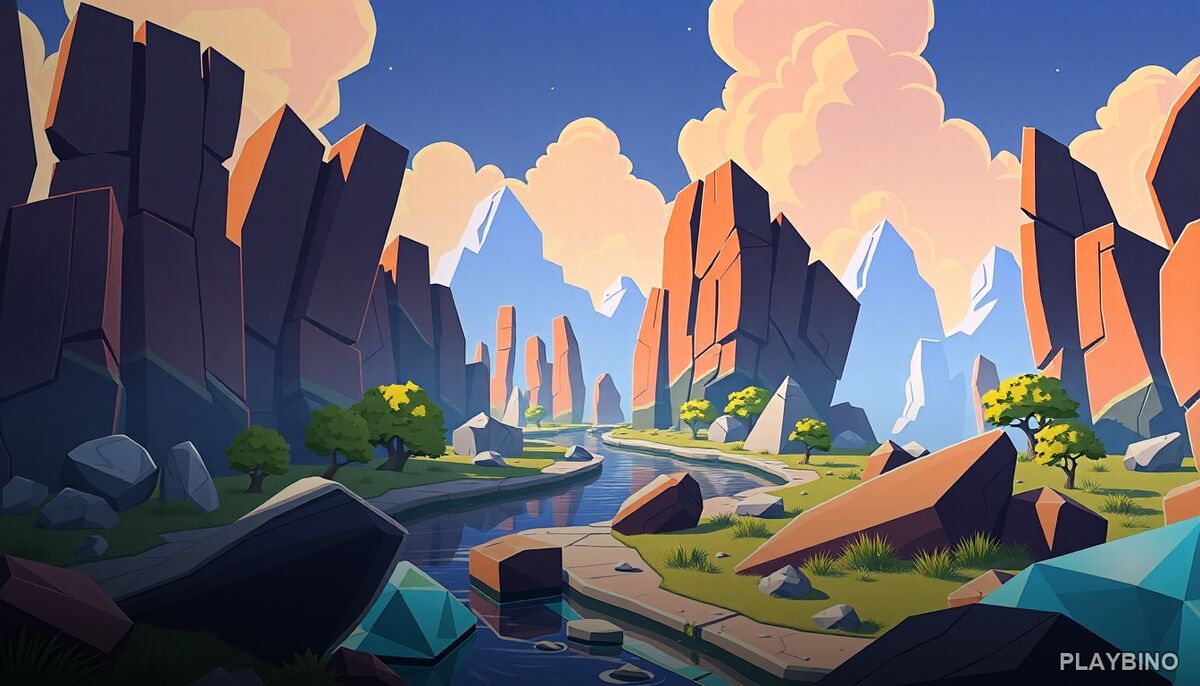
Geology rarely feels playful for young children, but World of Alice Rocks Textures changes that by wrapping hands-on rock exploration inside a whimsical, Alice-themed fantasy world. Rather than reading about minerals in a textbook, children tap and interact with different rock surfaces — smooth river stones, jagged crystal formations, and weathered boulders — each one revealing its own patterns and characteristics. The result is a brain and logic experience that feels more like an imaginative adventure than a structured lesson. You can try the full experience here and see how quickly young players get drawn into the exploration.
How the Interaction Works
The core mechanic is simple and intentional. Children tap on rock formations to examine them up close. Each surface responds with visual feedback that highlights texture differences — the roughness of a granite chunk versus the glassy smoothness of a polished quartz stone. There are no timers, no fail states, and no complicated button sequences. The game moves at the child's own pace, which is a deliberate design choice that keeps frustration low and curiosity high.
Touch and Device Flexibility
One practical strength is how well the layout adapts across phones, tablets, and desktop computers. Touch-based tapping feels natural on a screen, but mouse clicks work just as smoothly on a laptop. Young learners can engage with the same content regardless of what device is available, which makes it useful in both home and classroom settings.
Observational Feedback
When a child taps a rock, the game doesn't just show a label. It draws attention to the surface quality — rough, smooth, layered, crystalline — building the kind of observational vocabulary that carries over into real-world science thinking. That subtle layer of logic reinforces the brain-focused nature of the experience without making it feel academic.
The Rock Types and What Children Discover
The game covers a range of geological textures that introduce basic concepts without overwhelming detail. Children encounter:
- Smooth river stones shaped by water erosion
- Jagged crystal formations with reflective surfaces
- Weathered boulders showing layered or cracked textures
- Materials that contrast in color, grain size, and surface feel
Each type teaches something slightly different. River stones open a conversation about how water shapes rock over time. Crystals introduce the idea that minerals can grow in structured patterns. The variety keeps the exploration feeling fresh rather than repetitive.
Who This Game Works Best For
The design targets early learners — roughly ages four through eight — who are at a stage where tactile and visual discovery matters more than abstract explanation. Parents looking for screen time that connects to real-world science will find it a comfortable fit. Teachers covering earth science basics can use it as a warm-up activity or a visual reference point before a hands-on lesson with actual rocks.
The colorful Alice-themed visuals give the game personality without distracting from the geological content. The fantasy framing makes children more willing to engage with material they might otherwise skip past, which is the quiet logic behind the whole design.
Learning Value Beyond the Screen
What makes this kind of logic-based exploration stick is that it builds a mental framework children can apply outside the game. After tapping through different rock textures on screen, a child picking up a stone in the backyard is more likely to notice whether it feels rough or smooth, whether it has layers, or whether it sparkles. That transfer of observation is the real educational payoff.
If number-based brain challenges interest you alongside this kind of learning game, Lofys Numbers offers a different logic angle worth exploring on PlayBino.
Visual Design and Engagement
The art style leans into soft, saturated colors that feel approachable rather than overstimulating. The Alice-themed environment adds imaginative context — rocks don't just sit on a plain background, they exist inside a world that feels like it has its own story. Gentle audio feedback accompanies each tap, reinforcing the interaction without becoming repetitive or annoying during extended play sessions. The overall pacing respects a young child's attention span while still offering enough variety to hold interest across multiple sessions.
"