World of Alice Star Sequence: Number Ordering Through Constellation Puzzles
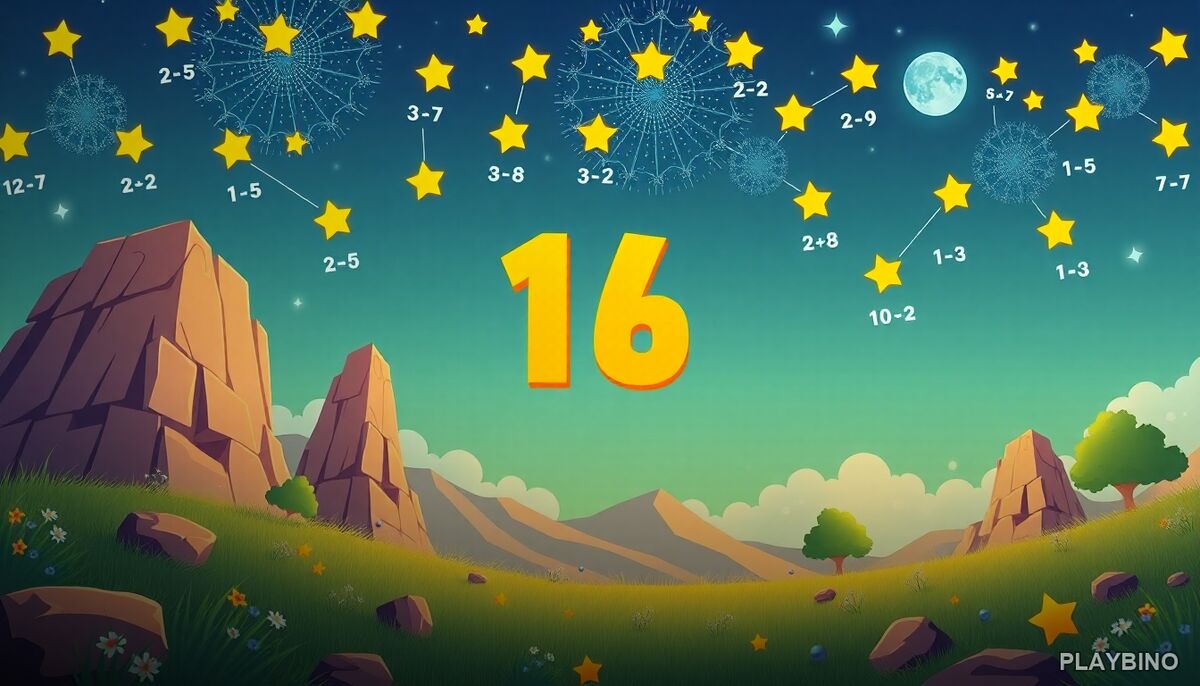
Connecting Stars to Learn Numbers
Number sequencing games work best when the visual reward matches the learning moment. World of Alice Star Sequence does exactly that — each time a child taps the stars in the right order, a constellation lights up across a dark sky. The concept is simple, but the execution keeps young players focused. Play it directly in your browser and you'll see how quickly the starry feedback loop pulls children into the activity.
What the Player Actually Does
Stars are scattered across a dark canvas, each one marked with a number. The task is to tap or click them in ascending order, starting from 1 and working upward. Every correct tap lights up that star and draws a line toward the next one. Complete the full sequence and the constellation snaps into its final shape with a satisfying glow.
There's no timer pressure in the early levels. The game lets children think, look around the screen, and find the next number without stress. That pacing is deliberate — the goal is recognition and ordering, not speed.
Visual and Audio Feedback
Each correct connection triggers a gentle sound and a small visual burst. Wrong taps don't punish harshly; the game simply waits for the right input. This makes the experience feel encouraging rather than frustrating, which matters a lot for younger audiences working through early numeracy concepts.
How Difficulty Scales
Early levels keep sequences short and numbers low, typically ranging from 1 to 5. As players complete constellations correctly, the game introduces longer sequences and higher numbers, eventually reaching 10. The star layouts also become more spread out, requiring children to scan a wider area before committing to a tap.
The progression feels natural. There's no sudden difficulty spike — just a gradual expansion of the number range and pattern complexity. Children who struggle at a particular level can repeat it without penalty, reinforcing the sequence until it sticks.
Puzzle Logic and Memory Demand
At its core, this is a memory and logic puzzle. Children must hold the sequence in mind while visually searching for the next number. As the star count increases, short-term memory becomes more important — players need to remember which numbers they've already tapped and which ones remain.
This dual demand of number recognition and spatial scanning gives the game a light cognitive workout. It's not overwhelming, but it does require active attention rather than passive clicking. The Memory Matrix on PlayBino takes a similar approach to memory-based challenges — that memory-focused puzzle is worth exploring alongside this one if the concept resonates.
Who This Game Suits Best
World of Alice Star Sequence is aimed at young children, roughly ages 3 to 7, who are learning to count and sequence numbers. The interface is clean and uncluttered, which helps children stay focused on the task rather than getting distracted by decorative elements.
- Number recognition from 1 to 10
- Sequential ordering through tap-based interaction
- Constellation-themed visual rewards for correct sequences
- Gradual difficulty increase without abrupt jumps
- Gentle feedback that encourages rather than discourages
Parents and educators looking for a low-pressure numeracy activity will find the format practical. The short session length also makes it easy to fit into a learning routine without requiring long stretches of screen time.
Why the Starry Theme Works
The constellation framing gives the number-ordering mechanic a purpose beyond the abstract. Children aren't just arranging numbers — they're building something visible in the night sky. That narrative layer, however light, adds motivation. Completing a constellation feels like an achievement, not just a correct answer.
The dark background with bright numbered stars also creates strong visual contrast, making it easier for young eyes to locate and distinguish each number. The design choice is functional as much as it is aesthetic, and it keeps the interface from feeling cluttered even as more stars appear on screen.