Yummy Link: Tile-Matching Puzzle With a Sweet Twist
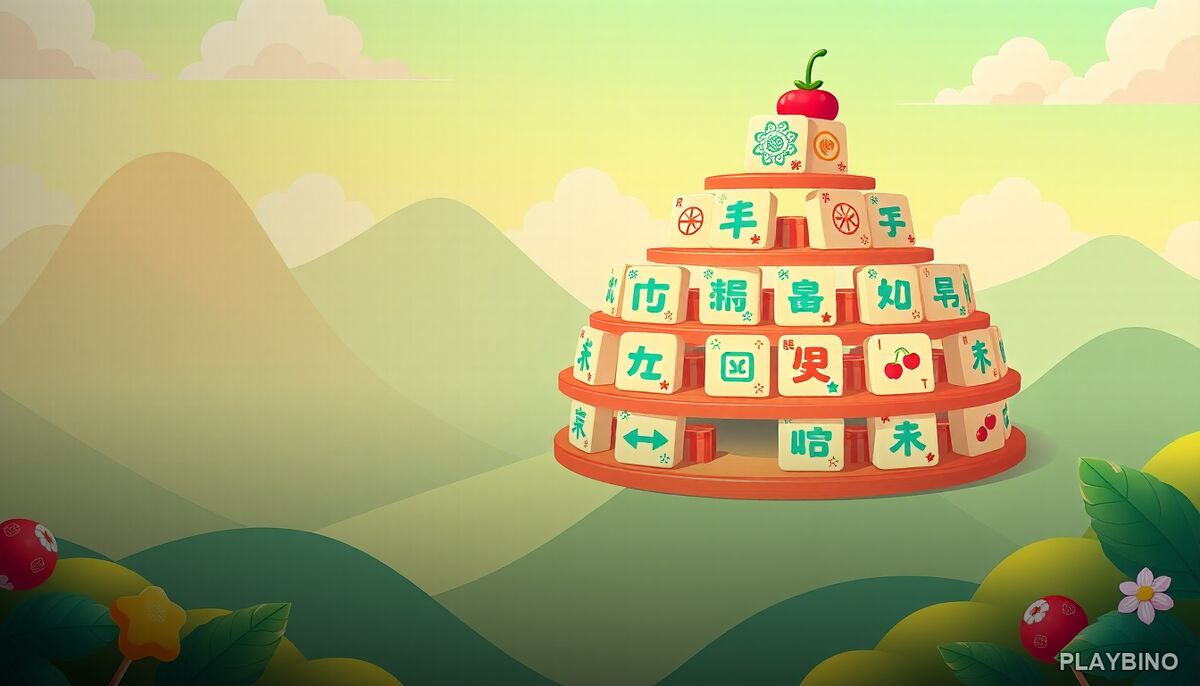
What Kind of Puzzle Is This?
Yummy Link sits at the crossroads of match-3 and path-finding logic. The board fills up with colorful dessert tiles — cakes, pastries, sweets — and your job is to connect matching pairs before the countdown hits zero. It sounds straightforward, but the connection rules add real depth. Two tiles only link if the path between them uses no more than three straight line segments, which means spatial awareness matters just as much as spotting identical tiles.
If you want to see how the mechanics feel in practice, try the full challenge in your browser and work through the first few rounds to get a sense of the board logic.
How the Connection System Works
The path-finding rule is the core mechanic that separates this from a standard match-3 game. You cannot simply click any two matching tiles and clear them. The imaginary line connecting them must travel in at most three segments — meaning it can turn at most twice. This creates situations where a valid match exists visually but is blocked by the current board layout.
Reading the Board
Before clicking anything, scan the outer edges first. Tiles near the border of the board tend to have more open routing options because one side is always free. Interior tiles surrounded by other pieces are often the trickiest to clear early, so identifying which pairs are accessible right now versus which ones need space to open up is a key part of the thought process.
Move Order Matters
Clearing one pair can unlock a path for another. This chain-reaction thinking is where the brain and logic elements really come into play. A match that looks less urgent might be the one that opens three subsequent moves, while a tempting pair might actually close off better options if removed too early.
Time Pressure and Decision-Making
The countdown clock changes how the puzzle feels entirely. Without it, this would be a relaxed logic exercise. With it, every second spent scanning costs you. The game rewards players who develop pattern recognition quickly — learning to spot valid three-segment routes almost instinctively rather than tracing every possible line manually.
Early levels give enough time to think carefully. As configurations grow more complex, the margin shrinks. The pressure does not feel punishing so much as motivating, pushing you to sharpen your spatial reading speed over multiple rounds.
Level Variety and Tile Configurations
Each round presents a different arrangement of tiles, which keeps the puzzle from feeling repetitive. The dessert theme stays consistent — the board is always filled with the same cheerful visual style — but the spatial challenge shifts meaningfully from level to level. Some boards have clusters of identical tiles grouped together, making early matches easy but creating congestion later. Others spread matching pairs far apart, demanding longer routing paths and more careful planning from the start.
- Varied tile layouts across every round
- Path routing limited to three line segments per connection
- Countdown timer applies consistent pressure throughout
- Clearing certain pairs unlocks new routing options for others
- Dessert-themed visuals with colorful, easy-to-read tiles
Who This Game Suits
Players who enjoy brain puzzles and logic challenges will find the path-finding layer genuinely satisfying. The match-3 surface makes it accessible, but the routing rules give it more strategic texture than a typical tile-clearing game. It works well in short sessions — a few rounds during a break — or as a longer puzzle run when you want something mentally engaging without heavy complexity.
The game also pairs naturally with other themed puzzle experiences. Scary Halloween: Spooky Nights takes a completely different visual direction, but that Halloween-themed puzzle challenge is worth a look if you enjoy browser games that mix atmosphere with matching mechanics.
Strategy That Actually Helps
One practical approach: prioritize clearing tiles that are blocking the most connections, not just the ones that are easiest to reach. Think of it like a spatial queue — free up the congested zones first, and the rest of the board tends to open naturally. Also, resist the urge to click the first matching pair you spot. A one-second pause to check whether a slightly less obvious match creates better downstream options often pays off, especially on denser boards available on PlayBino.