Zad Jewels: Match-3 Puzzle Strategy and Tips
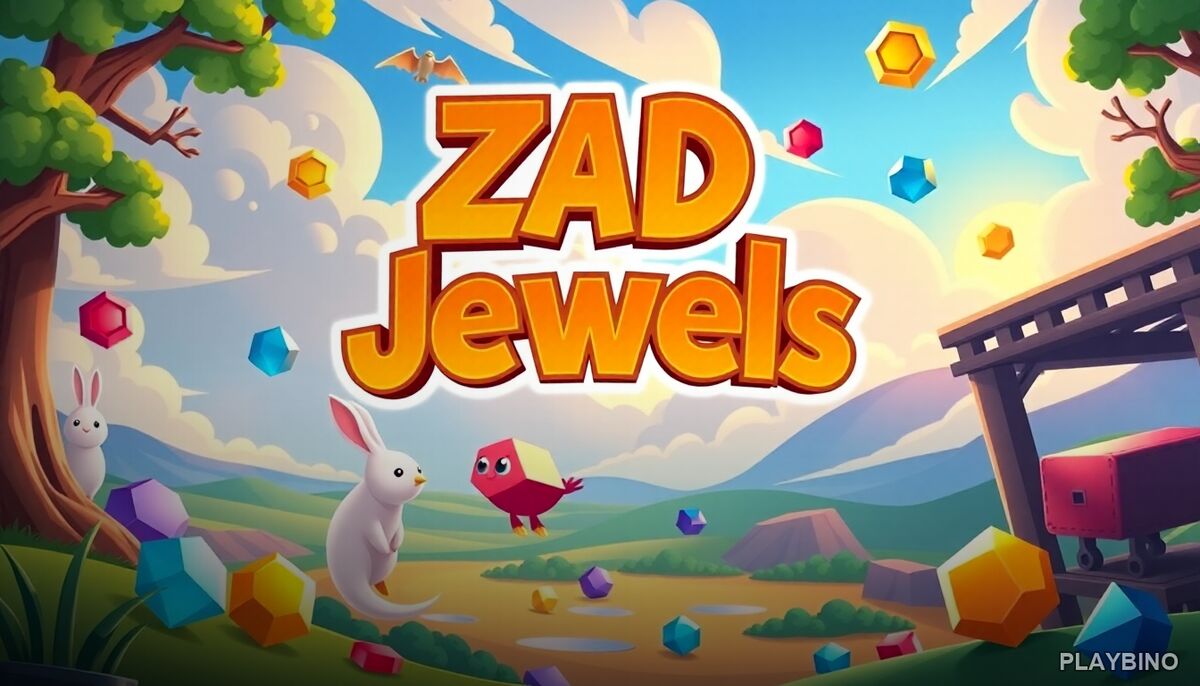
What Kind of Game Is Zad Jewels?
Zad Jewels is a single-player match-3 puzzle game built around swapping adjacent gems to create lines of three or more matching jewels. When a match forms, those pieces clear from the board and new gems fall from above, sometimes triggering chain reactions that clear even more tiles in one move. The game follows a familiar puzzle format but adds structure through specific level objectives and move limits that keep each session focused and purposeful.
If you enjoy this style of color-matching logic, you can play Zad Jewels directly in your browser without any download or account required.
Level Objectives and How the Challenge Builds
Each level in Zad Jewels presents a defined goal rather than an open-ended board. You might need to clear a specific color, break through obstacle tiles, or reach a target score before your moves run out. This structure pushes you to think about what the board needs, not just what matches are available right now.
Move Limits
The move counter is the central pressure mechanic. Every swap costs one move, so wasting turns on low-value matches quickly puts you behind. As levels advance, the objectives become more demanding while the move budget stays tight, which is where the real puzzle thinking begins.
Obstacles and Color Goals
Some levels introduce locked tiles or layered obstacles that require matches made directly adjacent to them. Others ask you to eliminate a set number of a particular gem color, which means you may need to redirect your focus away from obvious combos and toward the colors the level actually needs cleared.
Reading the Board Before You Swap
The most important habit in Zad Jewels is pausing before making a move. Scanning the full board before committing to a swap often reveals a chain reaction that a quick, reactive play would miss. A match in one corner can shift the entire board layout, causing falling gems to create secondary matches without spending additional moves.
Look for situations where a single swap sets up two or three potential matches at once. These cascade setups are the most efficient way to make progress, especially on levels where the objective involves clearing large quantities of a specific color.
Visual Design and Pacing
The gem art is clean and easy to read, which matters more in match-3 games than it might seem. Being able to identify gem types at a glance without squinting or second-guessing reduces decision fatigue during longer sessions. The background music stays gentle and unobtrusive, keeping the atmosphere relaxed even when a level gets tricky.
The pacing sits comfortably between casual and tactical. There is no time pressure beyond the move counter, so you can think through each swap without rushing. That said, the move limit means you cannot afford to play entirely on instinct once the objectives get specific.
Strategy Tips for Tighter Levels
- Prioritize the objective color over general board clearing when a level targets a specific gem type.
- Work from the bottom of the board when possible — matches low on the grid cause more cascading movement above.
- Save swaps near obstacles for moments when a match can clear two or three blocked tiles at once.
- Avoid isolated matches that clear only three gems with no follow-up potential; look for setups that chain into a second match automatically.
- Count your remaining moves before the final third of a level to gauge whether you are on pace for the objective.
Similar Puzzle Game to Try
Sweet Candies World follows a comparable color-matching structure with its own set of level goals and board mechanics. If the gem-swapping format appeals to you, this look at another candy-themed match puzzle covers what makes that experience worth playing on PlayBino as well.