Baby Doll Factory: Assembly Line Gameplay, Customization, and Strategy
What Happens on the Factory Floor
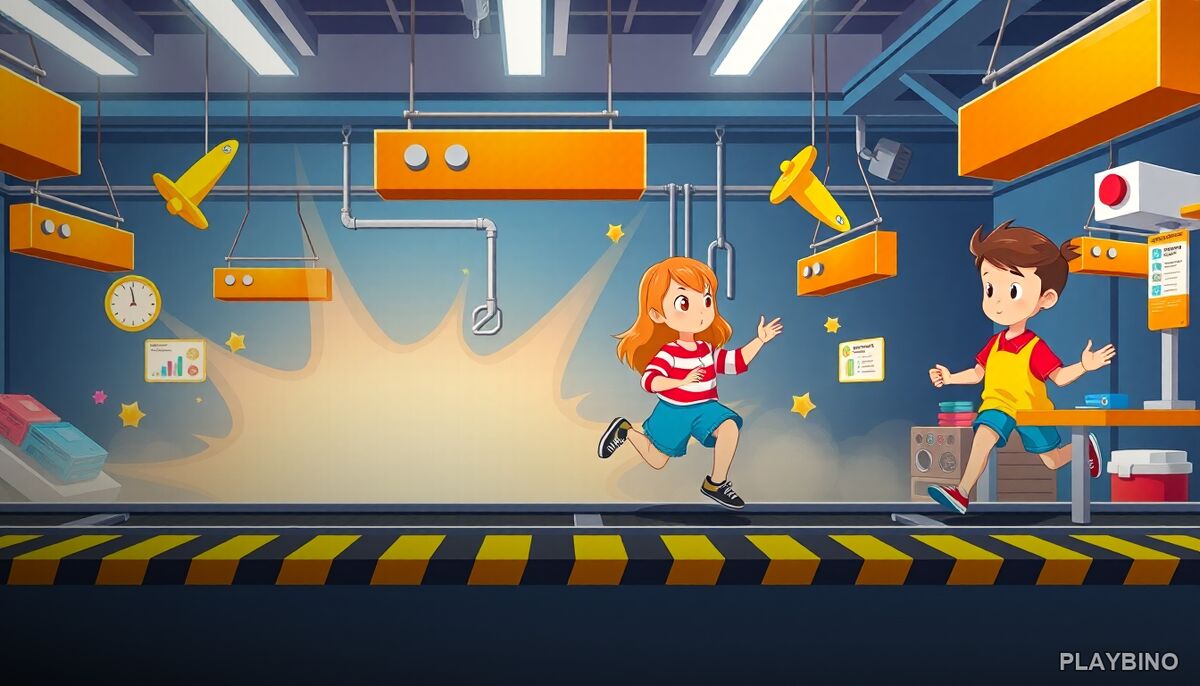
Baby Doll Factory drops you into a colorful manufacturing operation where speed and attention to detail both matter. The core loop is built around moving through the factory floor, collecting doll components from conveyor belts, and assembling finished products before they reach the end of the line. It plays like an endless runner fused with a clicker simulation — quick decisions, constant motion, and a satisfying rhythm when everything clicks into place.
Each run asks you to gather materials in sequence: raw shapes come first, then hairstyles, outfits, and finishing touches get layered on before the doll gets boxed and shipped. The full production experience rewards players who stay focused and move efficiently rather than rushing blindly through each stage.
Customization and Doll Variations
One of the more engaging parts of the game is the variety of cosmetic choices available during assembly. You are not just producing identical units — each doll can be dressed and styled differently depending on what materials you pick up along the route.
Hairstyles and Outfits
Hairstyle options appear at specific points on the conveyor path. Grabbing different styles changes the look of the finished product and contributes to variation bonuses. The same applies to outfit selection — mixing and matching combinations keeps the production line from feeling repetitive and can affect how much you earn per completed doll.
Finishing Touches
Small decorative additions applied near the end of the assembly sequence add the final layer of customization. These details are easy to miss when moving fast, but collecting them consistently improves both the visual output and your overall score per shipment.
Earnings and Factory Upgrades
Currency earned from completed shipments feeds back into the operation. Upgrades cover two main areas: cosmetic unlocks that expand what you can apply to each doll, and factory enhancements that improve the production environment itself. Neither category is purely decorative — better factory setups can increase the pace at which materials appear, while broader cosmetic options open up higher-value doll combinations.
- Unlock new hairstyle and outfit sets to increase variation potential
- Upgrade conveyor speed and material frequency for faster production
- Expand the range of finishing accessories available per run
- Reinvest shipment earnings to compound progression over time
Runner Mechanics and Pacing
The endless runner structure means there is no fixed endpoint to a session — production continues until you miss too many components or lose your momentum. Timing matters more than raw speed. Learning when to grab a material versus skip it to stay on track for a higher-value combination is the main skill the game builds over repeated runs.
The clicker element adds another layer: tapping or clicking at the right moments during assembly sequences speeds up transitions and keeps the line moving. Players who treat it purely as a passive experience will produce fewer dolls per session than those who stay actively engaged throughout.
Who This Game Suits
Baby Doll Factory works well for players who enjoy light simulation and fashion-style customization without heavy strategic pressure. The 1-player format keeps sessions self-contained, and the arcade pacing means a run can last a few minutes or extend much longer depending on how far upgrades have progressed. If you also enjoy quick reward-based browser games, the Mega Prize Scratch experience on PlayBino offers a different kind of instant-result gameplay worth exploring alongside this one.
Getting the Most from Each Run
Prioritize variation over volume early on. Producing a smaller number of highly customized dolls tends to generate better earnings than rushing through with minimal styling. Once upgrades improve material availability, shifting toward higher output becomes more practical. Watch the conveyor layout at the start of each session — material positions are not always identical, and adapting your route quickly separates efficient runs from wasted ones.