Baby Panda Emotion World: Helping Kids Understand Feelings Through Play
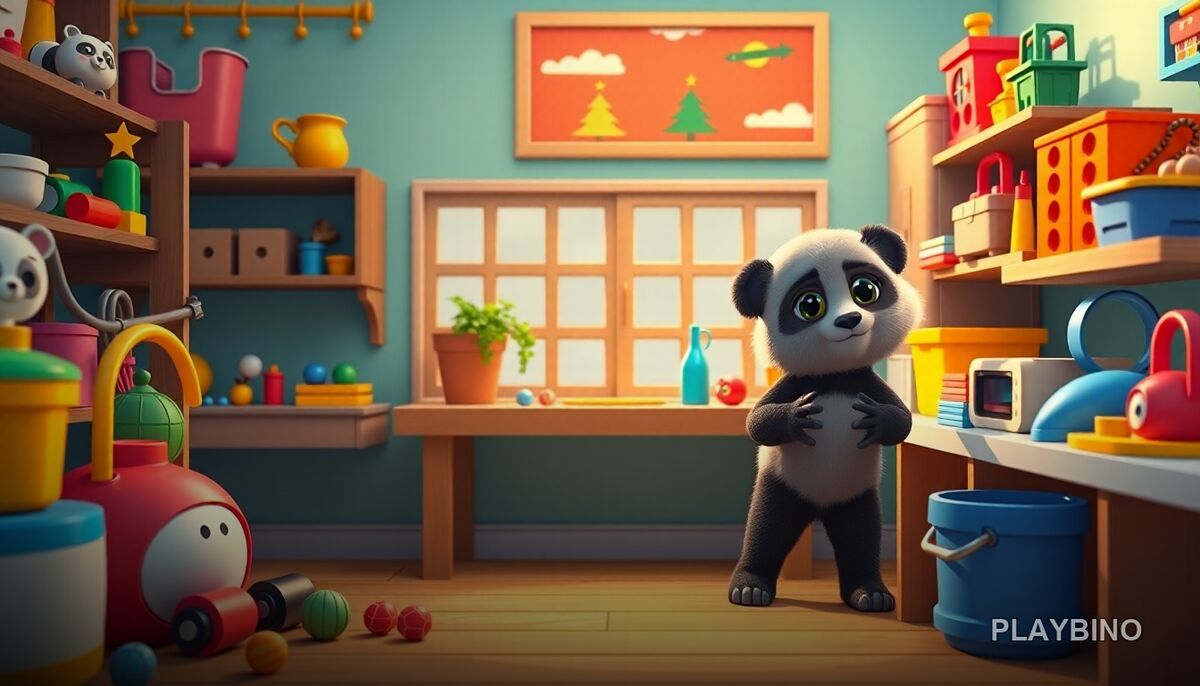
What the Game Is About
Emotional learning rarely feels like a game, but Baby Panda Emotion World manages to make it exactly that. Young players step into a bright, cheerful world alongside an adorable panda character and work through everyday social situations that require empathy, awareness, and thoughtful responses. The scenarios feel familiar to small children — a friend is upset, someone needs help sharing, a celebration calls for excitement — and each one asks the player to choose how the panda should react.
The pacing is gentle and unhurried, which suits its audience well. There is no timer counting down, no score to chase, and no punishment for choosing the wrong response. Instead, this emotion-focused simulation lets children experiment freely, observe the consequences of different choices, and build a natural understanding of how feelings work in social settings.
How the Interactions Work
Each scene presents a short situation involving the panda and one or more other characters. The player taps or touches options on screen to guide the panda's behavior. Choices might involve selecting the right facial expression, picking a kind action, or responding to another character's emotional state with the appropriate gesture or word.
Reading the Situation
Before making a choice, children need to observe what is happening. A character might be crying, looking frustrated, or jumping with joy. Recognizing those visual cues is the first layer of the brain exercise the game provides. The bright character animations make emotions easy to read, which helps younger players connect the visual signal to the feeling it represents.
Making Choices That Matter
Once the situation is clear, the player selects a response. The game shows how the panda's choice affects the other character, reinforcing positive social behavior in a low-pressure way. Comforting a sad friend, sharing during playtime, or joining in a celebration all produce warm, encouraging reactions that reward thoughtful decisions without shaming less ideal ones.
Visual Design and Atmosphere
The art style leans heavily on soft colors, rounded shapes, and expressive character faces. Everything about the visual presentation is designed to feel safe and inviting for very young players. Backgrounds shift between recognizable settings like playgrounds, living rooms, and birthday parties, giving each scenario a grounded, relatable context.
Sound design follows the same philosophy. Music stays cheerful and calm, and character reactions are voiced with warmth rather than intensity. The combination creates an atmosphere where children feel comfortable making mistakes and trying again.
What Children Actually Learn
The simulation quietly covers several areas of early social development:
- Identifying basic emotions such as happiness, sadness, anger, and surprise from facial expressions
- Understanding that other people have feelings that deserve consideration
- Practicing appropriate responses to different emotional situations
- Building confidence in social interactions through repeated low-stakes practice
- Connecting actions to outcomes in a simple cause-and-effect format
These are genuine brain-building activities wrapped inside a playful one-player experience. Parents looking for screen time that contributes to emotional development will find the content purposeful rather than passive.
Who This Game Suits Best
Baby Panda Emotion World works best for children roughly between ages three and seven. The touch controls are simple enough for small hands, and the scenarios do not require reading ability since visual cues carry most of the communication. Older children within that range may move through scenes quickly, but the variety of situations keeps things from feeling repetitive too fast.
If you enjoy educational simulation games for young players, the Nutrition School experience on PlayBino covers a different area of early learning and is worth exploring alongside this one.
Replay Value and Session Length
Individual scenes are short, making the game well-suited to brief play sessions. A child can complete a few scenarios in five to ten minutes without feeling rushed or leaving anything unfinished. Returning to earlier scenes and trying different responses adds a small layer of replayability, especially for children who want to see all the possible outcomes. The game functions equally well as a solo activity or as something a parent and child explore together, talking through the emotional choices as they go.