Boxes Wizard 2: Puzzle Mechanics, Strategy, and What to Expect
What Kind of Game Is This?
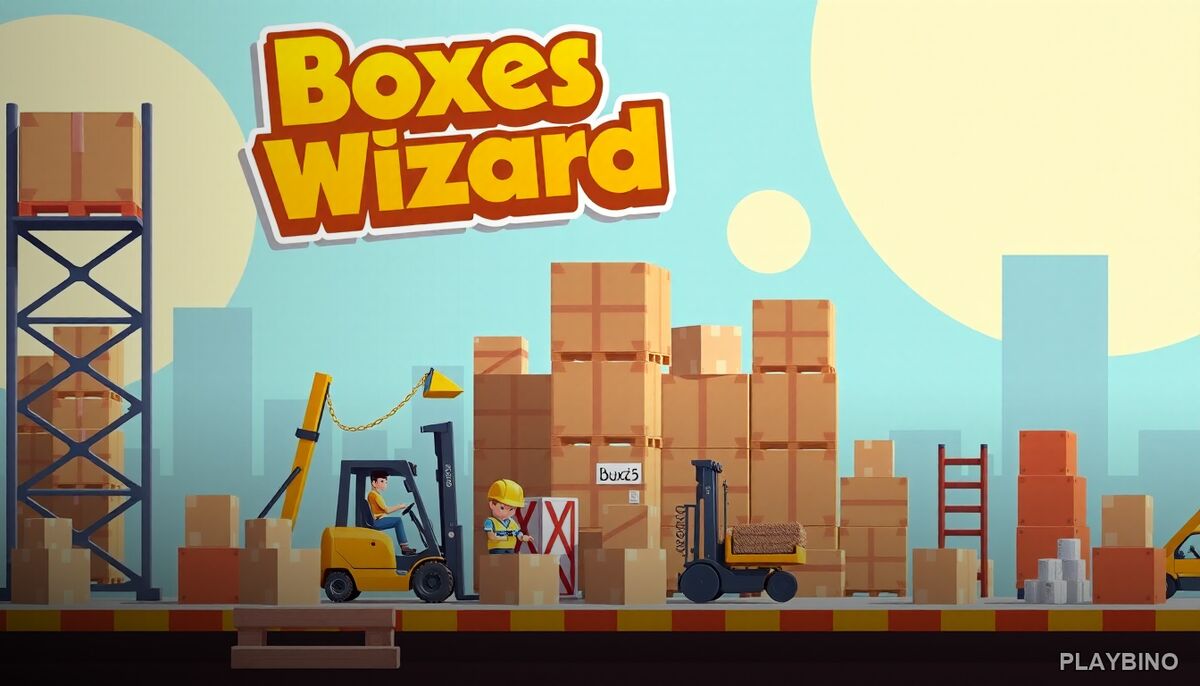
Boxes Wizard 2 is a puzzle platformer built around a single, clever mechanic: you play as a wizard who can swap positions with nearby boxes. That one ability becomes the foundation for forty levels of increasingly complex spatial reasoning. There are no enemies to fight and no timers to race. The challenge is entirely mental — figuring out the right sequence of moves to reach the exit.
If you enjoy logic-driven puzzles where every action has a consequence, the browser version on PlayBino is worth a session or two. The pixel art style gives it a retro charm, and the difficulty curve feels deliberate rather than frustrating.
The Core Mechanic Explained
The swap ability sounds simple at first. You stand near a box, trigger the swap, and you teleport to where the box was while the box moves to where you were. In early levels, this just means hopping over a gap or reaching a higher platform. But the game quickly layers complexity onto that foundation.
Thinking in Sequences
What separates easier levels from harder ones is the number of swaps you need to chain together. A box that seems useless in its current position might become essential three moves later. Rushing through a swap without considering where the box ends up will often leave you stuck with no valid moves remaining.
Spatial Awareness
The puzzle design consistently rewards players who mentally map the level before acting. Boxes interact with the environment — they can block paths, fill gaps, or create platforms. Understanding how each swap reshapes the layout is the central skill the game builds across its forty levels.
Level Progression and Difficulty
The first ten or so levels function as a gradual tutorial. New elements are introduced one at a time, giving you space to understand each mechanic before the game combines them. Around the midpoint, puzzles start requiring four to six planned moves in advance, and the margin for error shrinks considerably.
Later levels introduce tighter spaces and more boxes to manage simultaneously. The game never adds new mechanics just for variety — every new element serves the core logic. That restraint keeps the experience focused and avoids the bloat that affects some puzzle games in this genre.
Strategy Tips That Actually Help
- Before making any move, scan the full level and identify where the exit is relative to your starting position.
- Treat boxes as tools with two functions: a platform you can stand on, and a teleportation target you can swap with.
- If you feel stuck, undo your last move rather than restarting. Most levels have a reset option, but working backwards from a near-solution is often faster.
- Pay attention to box placement after each swap — a misplaced box can block the only viable path to the exit.
- On harder levels, try to solve the puzzle in reverse: figure out where you need to be just before the exit, then work backwards.
Who This Game Suits
Boxes Wizard 2 is a good fit for players who like brain puzzles with clean rules and no randomness. Every level has a logical solution, and finding it feels genuinely satisfying rather than lucky. The pixel art aesthetic and calm pacing make it easy to pick up for a short session without needing to remember complex systems.
Players who enjoy spatial logic challenges — the kind where you manipulate objects to create a path — will find the swap mechanic rewarding. Woodoku Block Puzzle offers a different take on spatial thinking if you want to compare how two puzzle games handle placement and logic differently.
Why the Mechanic Holds Up Across 40 Levels
Many puzzle games introduce a gimmick that feels fresh for ten levels and then grows repetitive. Boxes Wizard 2 avoids this by consistently finding new ways to challenge the same core system. The swap mechanic never changes, but the level design keeps finding configurations that make it feel like a new problem each time.
The satisfaction of solving a level that stumped you for several attempts is the main draw here. It is a quiet, focused brain puzzle — not flashy, but consistently engaging for players who like logic-based challenges.