Brain Find Can You Find It 2: Lateral Thinking Puzzles That Break the Rules
What Kind of Puzzle Game Is This?
Most puzzle games reward careful observation. Brain Find Can You Find It 2 rewards something different: the willingness to question everything you see on screen. Each level drops you into a cartoon scene with a simple-sounding task, but the solution almost never works the way you expect. That gap between expectation and reality is exactly where the fun lives.
The game sits firmly in the brain and logic category, built around lateral thinking rather than pattern recognition or reflexes. If you enjoy puzzles that make you feel slightly foolish before making you feel clever, this browser challenge is worth your attention.
How the Interaction Works
The core mechanic is deceptively simple: tap or drag elements within a scene. But the depth comes from how those interactions combine in unexpected ways.
Dragging and Combining Objects
Many solutions require pulling one item across the screen and placing it near another. The game does not signal which objects are interactive, so part of the challenge is discovering what can actually move. Sometimes dragging reveals a hidden element underneath. Sometimes combining two visible objects creates a third that solves the puzzle entirely.
Sequence and Timing
Some levels require tapping elements in a specific order. The scene looks static, but touching things in the wrong sequence produces nothing. Once you find the correct order, the puzzle unlocks with a satisfying animation. These levels reward patience over speed.
Environmental Manipulation
A few puzzles ask you to interact with the interface itself rather than just the scene. Tilting logic, hiding elements outside the visible frame, or using the device in unexpected ways are all fair game. This is where the lateral thinking tag earns its place.
Puzzle Design and Difficulty Curve
Early levels introduce the game's logic gently. The solutions are unusual but not obscure, giving you a feel for how the designers think. As you progress, the scenarios become more creative and the solutions more layered. The cartoonish art style keeps the tone light even when a puzzle stumps you repeatedly. Failed attempts rarely feel frustrating because the visual feedback is playful rather than punishing.
The difficulty curve is not strictly linear. Some mid-game puzzles are harder than later ones, which keeps experienced players from settling into a rhythm. This unpredictability is a deliberate design choice that forces fresh thinking at every level.
Strategy for Stuck Players
- Tap every visible element at least once before assuming it is decorative.
- Try dragging objects to the edges of the screen, not just toward other objects.
- Re-read the level prompt carefully. The wording often contains a literal clue.
- If nothing works, try interacting with the background or sky areas.
- Think about what the scene would look like in real life and whether physics or common sense applies differently here.
The game rewards experimentation above all else. Systematic exploration of every element in a scene will eventually unlock even the most confusing levels.
Who Plays This Type of Game
Single-player logic puzzles like this one attract players who enjoy the satisfaction of an aha moment more than competitive pressure or fast reflexes. The one-player format means there is no timer stress and no opponent to outpace. Progress is entirely self-directed.
Clue Hunter offers a comparable experience for players drawn to scene-based deduction, and that puzzle-focused challenge is worth exploring once you have worked through several levels here. Both games share a focus on observation and unconventional problem-solving, though they approach it from different angles.
Visual Style and Replay Value
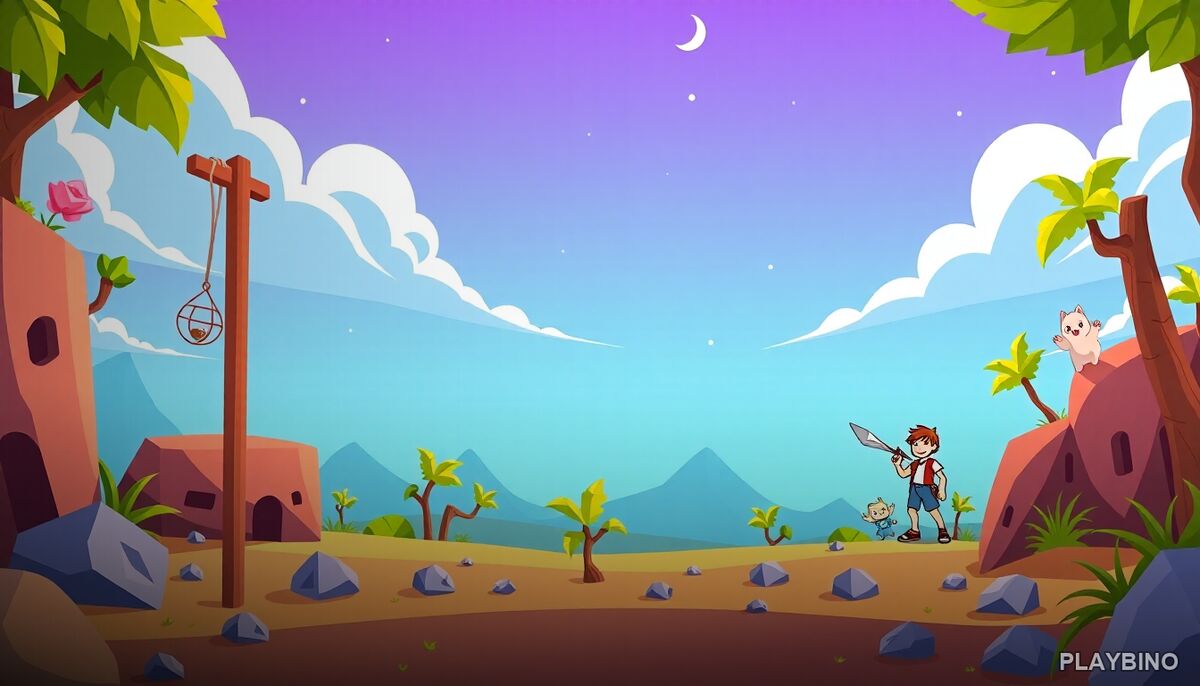
The cartoonish art keeps the game accessible and visually distinct from minimalist logic puzzles. Characters and objects are exaggerated in ways that sometimes hint at the solution and sometimes deliberately mislead you. The humor embedded in each scene makes even repeated failed attempts feel like part of the experience rather than a setback.
Replay value is moderate. Once you know a solution, the surprise is gone. But the sheer variety of puzzle types across the level set means first playthroughs stay fresh for a long time. PlayBino hosts the game directly in the browser, so there is no installation barrier between you and the next level.