Bright Connect: Grid Puzzle Strategy and Circuit-Building Tips
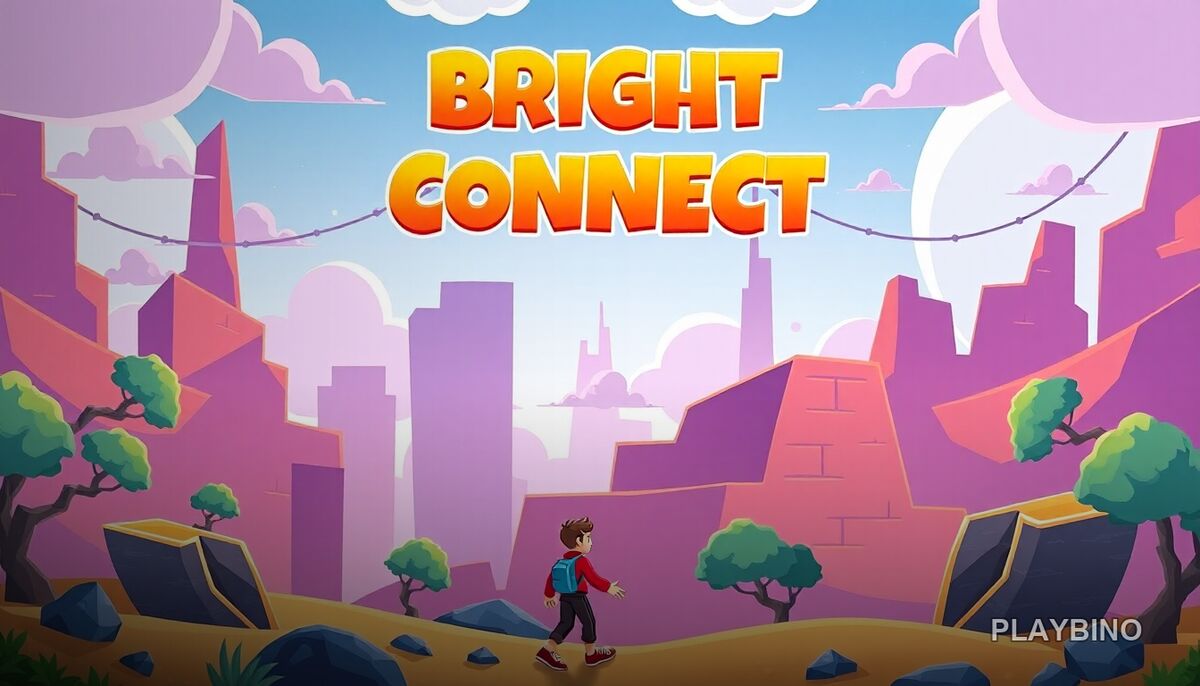
What Bright Connect Is About
Grid puzzles built around electrical circuits have a satisfying logic to them — every move either brings the board closer to completion or quietly breaks something three steps down the line. This browser-based circuit puzzle captures that feeling well. The core task is connecting power sources to light bulbs across a grid, using a limited number of moves to complete each circuit without wasting connections.
The neon visual design — electric blues against deep backgrounds, warm orange bulbs waiting to ignite — does real work here. It's not just decoration. The color contrast makes it easier to trace pathways and spot where a circuit breaks, which matters when you're managing several routes at once.
How the Circuit Mechanics Work
Each puzzle presents a grid with fixed power sources and bulb endpoints. Your job is to draw pathways between them using the available tiles or connections. The constraint is move count: you have a limited number of placements, and exceeding that means the puzzle fails.
Routing Logic
The routing isn't freeform. Connections follow grid rules, so diagonal shortcuts don't exist. You work horizontally and vertically, which forces you to think about path efficiency. A direct route might seem obvious, but it could block another bulb's only viable path. The puzzle design regularly uses this tension to push difficulty upward.
Working Backward
One of the more effective approaches is working backward from the bulb rather than forward from the source. Bulbs often sit in corners or along edges with fewer routing options. Identifying their only reachable paths first narrows down how the rest of the grid must be filled, reducing guesswork significantly.
Where the Difficulty Comes From
Early levels are approachable — two or three connections, clear paths, room to experiment. The difficulty curve steepens when the grid grows and multiple power sources must share routing space without overlap. A move that completes one circuit can permanently block another, and with limited attempts, there's no room for casual trial and error.
The brain challenge here is less about speed and more about spatial reasoning. You're mentally simulating several moves ahead, checking whether a chosen path leaves enough room for everything else. Players who enjoy logic puzzles — the kind where the solution feels inevitable once you see it — will find this format rewarding.
Visual Design and Readability
The futuristic neon aesthetic is consistent throughout. Completed connections glow, incomplete ones stay dim, and the contrast between active and inactive grid segments gives clear feedback at a glance. This visual clarity is genuinely useful in a puzzle genre where misreading the board is a common source of frustration.
The atmosphere leans into a clean, electric aesthetic without becoming cluttered. Even on denser grids, the layout stays readable, which lets the logic challenge take center stage rather than visual noise.
Strategy Tips Worth Knowing
- Identify bulbs with the fewest routing options first and lock in their paths before filling the rest of the grid.
- Count available moves before placing anything — knowing your budget prevents early overcommitment.
- When stuck, trace each power source independently to see which paths are still open.
- Avoid routing through grid center early; keeping central tiles free preserves flexibility for crossing paths.
Similar Game to Try
If logic and number-based thinking appeal to you, this card-based number challenge on PlayBino takes a different approach to brain puzzles — less spatial, more combinatorial, but equally focused on planning ahead. It's worth a look if circuit routing leaves you wanting another angle on logic gameplay.