Bus Driving Simulator 2024: Routes, Physics, and Urban Driving Strategy
What Kind of Game Is This?
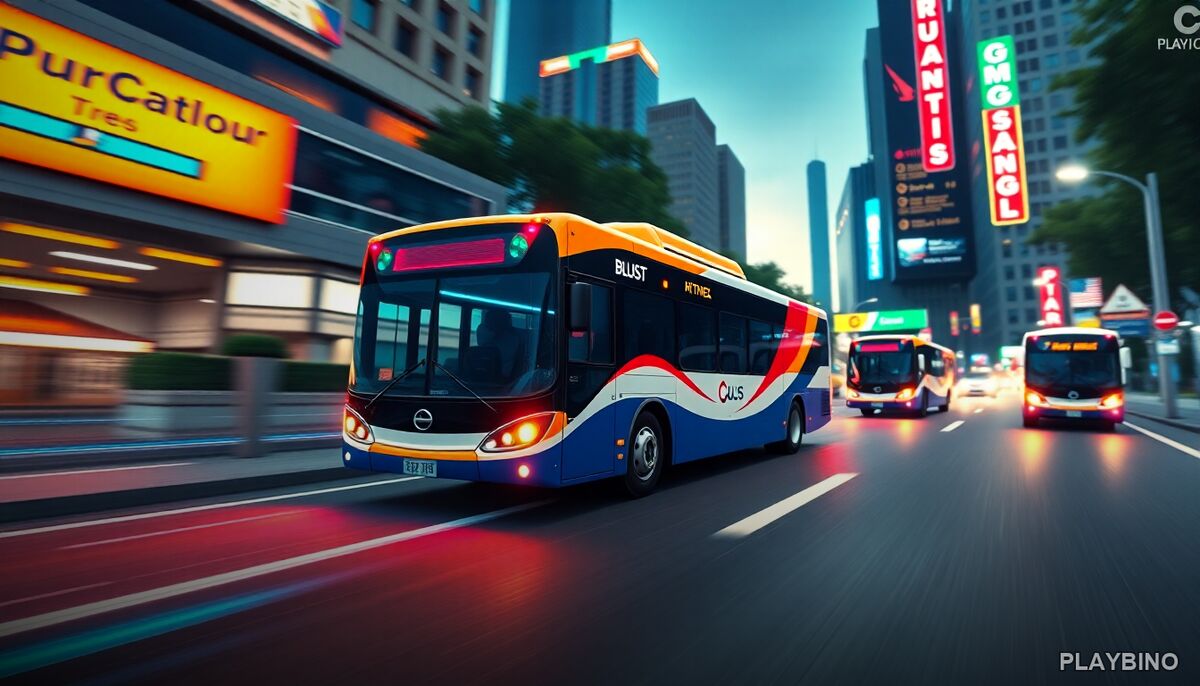
Not every driving game is about speed. Bus Driving Simulator 2024 sits firmly in the simulation category, asking you to manage real-world responsibilities behind the wheel of a city bus. You handle passenger pickups, scheduled stops, door controls, and traffic navigation — all within dense urban environments that respond realistically to your inputs. Play it directly in your browser and you'll notice immediately that patience and precision matter far more than acceleration.
The Driving Feel
The physics model is one of the strongest aspects of the experience. Braking too hard causes the bus to lurch. Taking a corner too fast throws off your line. Acceleration from a full stop with passengers aboard requires a measured touch. These aren't cosmetic details — they affect how smoothly you complete each route and how passengers respond to your driving.
Bus Handling Differences
Multiple bus types are available, each with distinct handling characteristics. Compact city shuttles are more responsive and easier to maneuver through tight intersections. Full-size coaches require wider turns and longer stopping distances. Switching between them isn't just a visual change — you'll need to recalibrate your approach each time.
Braking and Stop Accuracy
Stopping smoothly at designated zones is a core skill. Overshooting a stop or arriving at an angle makes door operation awkward and slows your route timing. The game rewards drivers who read the road ahead and begin braking early rather than reacting at the last moment.
Route Challenges and Traffic Conditions
Each route introduces different variables. Rush hour brings heavier AI traffic, requiring more patience at intersections and tighter gap management when merging. Weather changes affect visibility and road grip. Pedestrian activity near stops means you can't simply pull over without checking your surroundings first.
Traffic lights and road signs follow real-world logic. Running a red light or ignoring a yield sign isn't just risky — it disrupts the flow of the route and can create cascading problems with your schedule. AI drivers behave predictably enough that you can anticipate their movements, but they don't give way simply because you're driving a large vehicle.
Passenger Management and Route Discipline
Beyond driving mechanics, the simulation layer involves managing stops correctly. You need to open and close doors at the right moment, wait for boarding and alighting to complete, and depart without cutting the process short. Skipping steps or rushing through stops affects your performance across the route.
- Open doors only when fully stopped at the designated zone
- Maintain safe following distances in heavy traffic
- Watch for pedestrians crossing near bus stops
- Use smooth acceleration after each stop to avoid passenger discomfort
- Plan lane position well before turns to avoid wide swings
Who This Game Suits
Players who enjoy skill-based simulation — where the challenge comes from execution rather than reflexes — will find a lot to work through here. The game doesn't punish you with a countdown timer on most routes, but it does reward consistent, careful driving with better performance scores across metropolitan settings. If you've ever been curious about vehicle simulation games that prioritize realism over arcade action, this is a strong example of the genre done well in a browser format.
Ambulance Rush takes a different approach to urban vehicle gameplay — that emergency driving challenge is worth exploring if you want something faster-paced after spending time on bus routes.
Building Experience Across Settings
The game spans multiple metropolitan environments, each with its own road layouts, traffic density, and stop configurations. Early routes serve as a way to get comfortable with bus handling before the more complex urban grids appear. Experience carries over in the form of improved familiarity with physics and route patterns rather than a formal upgrade system. PlayBino hosts the full simulation, and the browser version runs without any installation required, making it easy to return to a route whenever you have time.
"