Emoji Merge: Physics-Based Puzzle Strategy Guide
What Kind of Game Is This?
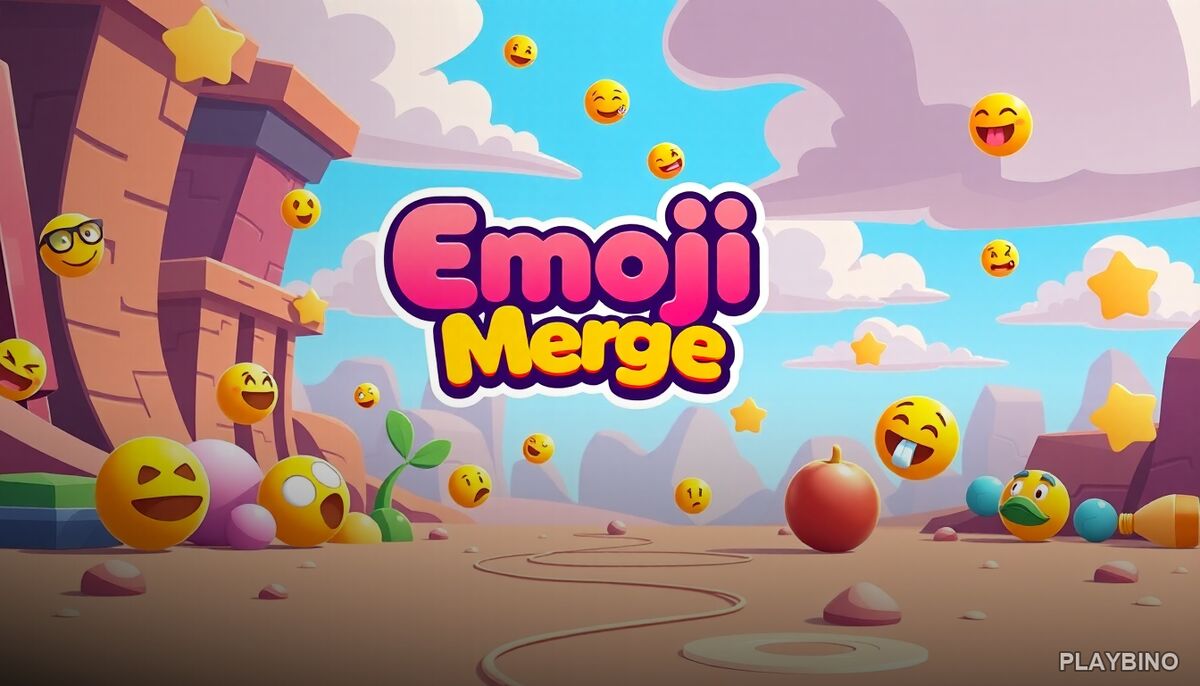
Emoji Merge sits at the crossroads of match-3 mechanics and physics-based puzzle design. You drop emoji symbols onto a board, and when two identical ones touch, they merge into a single higher-tier symbol. That new symbol can then trigger another merge, and another — building a satisfying chain that clears space and pushes your score higher. Play it directly in your browser and the concept clicks almost immediately, but mastering the board takes real thought.
The Core Mechanic Explained
Every turn, you're given an emoji to place. The physics engine means symbols settle and shift slightly after landing, so anticipating where a piece will rest is part of the challenge. Two matching emojis that make contact merge into the next tier up. The progression moves from simple, common symbols toward rarer, higher-value ones that only appear through successful combinations.
The loop is simple on the surface: drop, merge, repeat. But the board fills faster than expected, and once space runs short, every placement decision carries real weight. Dropping a piece in the wrong spot can block a merge you needed, or worse, push the stack past the overflow line and end the run.
Spatial Awareness and Planning Ahead
Managing Board Space
The most common mistake is focusing only on the current piece rather than the next few moves. Because merges create new symbols that themselves need room to combine, you're essentially planning two or three steps ahead at all times. Clustering similar emojis on one side of the board can help set up chain reactions, but it also risks creating a dense pile that's hard to clear.
Chain Reactions
A well-placed drop can trigger three or four consecutive merges in a single move. These chain reactions are the most rewarding moments in the game — they clear significant board space and push you toward rare, high-tier emojis that contribute the most to your score. Setting up chains requires patience. Sometimes holding back a piece rather than forcing a merge is the smarter play.
Strategy Tips for Higher Scores
- Keep the center of the board open as long as possible — it gives you more flexibility for tricky drops.
- Prioritize merging lower-tier emojis early before they pile up and block higher combinations.
- Watch the upcoming piece indicator and plan your drop zone before the piece appears.
- Don't chase a single big combo at the cost of ignoring smaller merges that free up space.
- When the board gets crowded, focus on survival first — clear room before hunting for chains.
Why the Puzzle Stays Fresh
The progressive difficulty comes naturally from the emoji tier system. Early rounds feel manageable, but as higher-tier symbols start appearing, they take up more effective space on the board and require more precise placement to merge cleanly. The strategy layer deepens without the game ever changing its core rules. That consistency is part of what makes it work as a single-player puzzle experience.
Players who enjoy spatial reasoning and forward planning will find the most satisfaction here. It rewards the kind of thinking where you mentally map out two or three possible futures before committing to a drop. The physics add a small unpredictability that keeps runs from feeling purely mechanical.
A Similar Puzzle to Try
Jelly Block Puzzle takes a different structural approach — blocks rather than physics-based drops — but the same logic-first mindset applies. If the spatial planning in Emoji Merge appeals to you, this look at another block-based challenge covers a game that rewards similar thinking. Both titles are available on PlayBino and work well as back-to-back sessions when you want to stay in puzzle mode without switching genres entirely.