Escape Mystic Castle Mobile Version: Puzzle Logic and Room Escape Strategy
Trapped in an Ancient Fortress
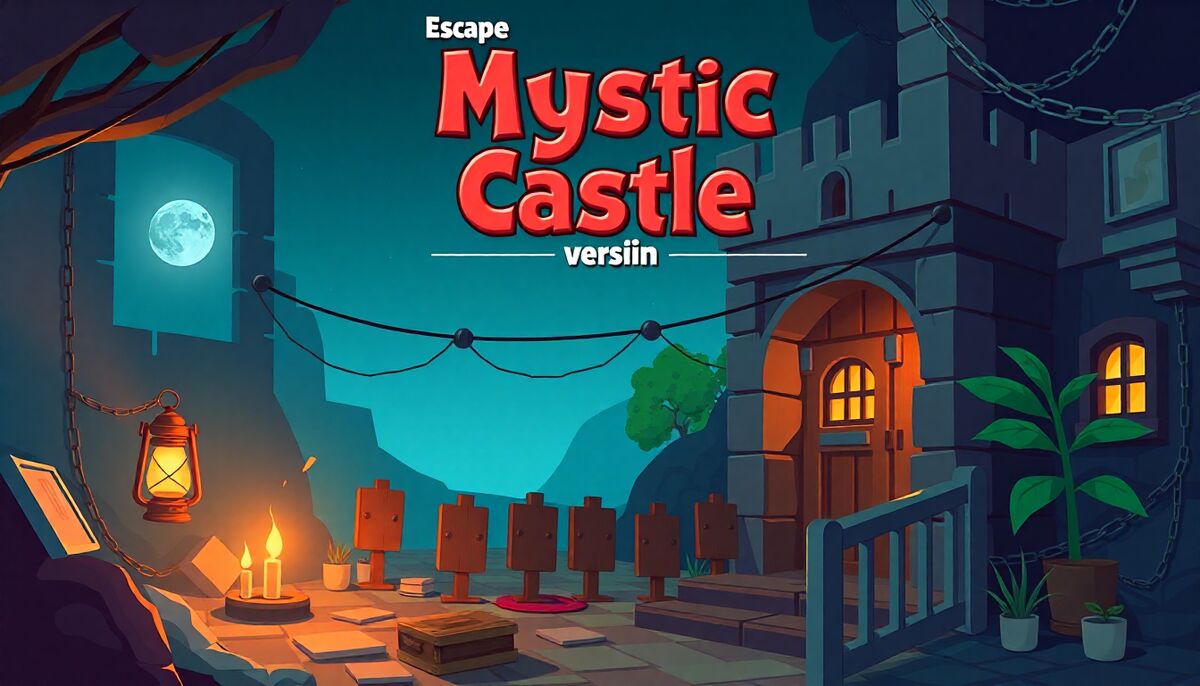
The premise is simple but immediately gripping: you are a villager locked inside a crumbling castle, and every room holds a new obstacle between you and the exit. This mobile escape room experience strips away everything unnecessary and focuses entirely on observation, item logic, and careful thinking. The atmosphere is shadowy and tense, built from dim corridors and chambers that slowly give up their secrets as you explore.
Unlike action games that reward fast reflexes, progress here depends entirely on how well you read your environment. Miss a detail on a wall, overlook a small object in the corner, or combine the wrong items — and you stay stuck. The castle does not forgive careless play.
How the Touch Controls Work
Navigation is built around tap-based interaction, which suits the mobile format well. Tap a doorway to move between rooms, tap an object to inspect or collect it, and tap again to interact with the environment. There is no virtual joystick or complex input — just deliberate tapping that keeps the focus on thinking rather than dexterity.
Item Combination
The inventory system is where much of the puzzle logic lives. Collected items can be combined to create tools or keys that unlock new areas. The combinations are rarely obvious on first glance, which means players need to revisit earlier rooms with fresh eyes once new items are found. This back-and-forth exploration is central to the game's rhythm.
Environmental Clues
Many puzzles are embedded directly into the scenery — symbols carved into stone, patterns on floors, or objects placed in meaningful arrangements. Reading these clues carefully before touching anything is often the difference between quick progress and long frustration.
Puzzle Structure and Progression
The game is structured as a sequence of interconnected rooms rather than isolated levels. Solving one puzzle rarely unlocks just one door — it tends to reveal a new item or clue that feeds into a different part of the castle. This layered design rewards players who keep mental notes of unsolved details they spotted earlier.
The difficulty curve is gradual. Early chambers introduce the core mechanics of item collection and basic combination, while later rooms require cross-referencing multiple clues simultaneously. There is no timer pressing down on you, which allows the brain-focused logic to breathe without artificial pressure.
What Kind of Player Enjoys This
If you enjoy escape room games where the satisfaction comes from a genuine moment of understanding — that click when scattered clues suddenly form a clear solution — this format delivers that consistently. The single-player structure means every decision is yours alone, and there is no randomness to blame when something does not work.
- Logic and observation are the primary skills required
- No combat, timers, or reflex-based challenges
- Item-based puzzle solving with environmental clue integration
- Touch-optimized controls designed for mobile sessions
- Gradual difficulty that scales without becoming unfair
Players who prefer quieter, methodical brain puzzles over fast-paced arcade action will find the pacing comfortable. The castle rewards patience and systematic thinking over speed.
Strategy: Where Most Players Get Stuck
The most common point of frustration in escape room games like this is overlooking interactable objects that blend into the background. Before moving to a new room, scan every corner of the current one. Objects are sometimes partially hidden or placed at the edge of the screen.
When stuck, resist the urge to randomly combine every item in your inventory. Instead, return to rooms you have already visited and look for anything that changed after your last puzzle solution. New items often unlock retroactive clues in earlier spaces.
The Desktop Version and a Related Challenge
If you have already spent time with the mobile version and want to compare the experience on a larger screen, the original Escape Mystic Castle covers the desktop format with its own puzzle flow and room layout. The two versions share the same castle setting but offer slightly different interaction feels worth exploring back to back.
PlayBino hosts both versions, making it easy to switch between them and see how the same escape room concept adapts across formats. Whether you start with the mobile build or the desktop original, the core logic challenge remains the same: observe carefully, think before acting, and trust that every detail in the castle means something.