Fill the Cup: Physics Puzzle Aiming Guide
What You're Actually Doing
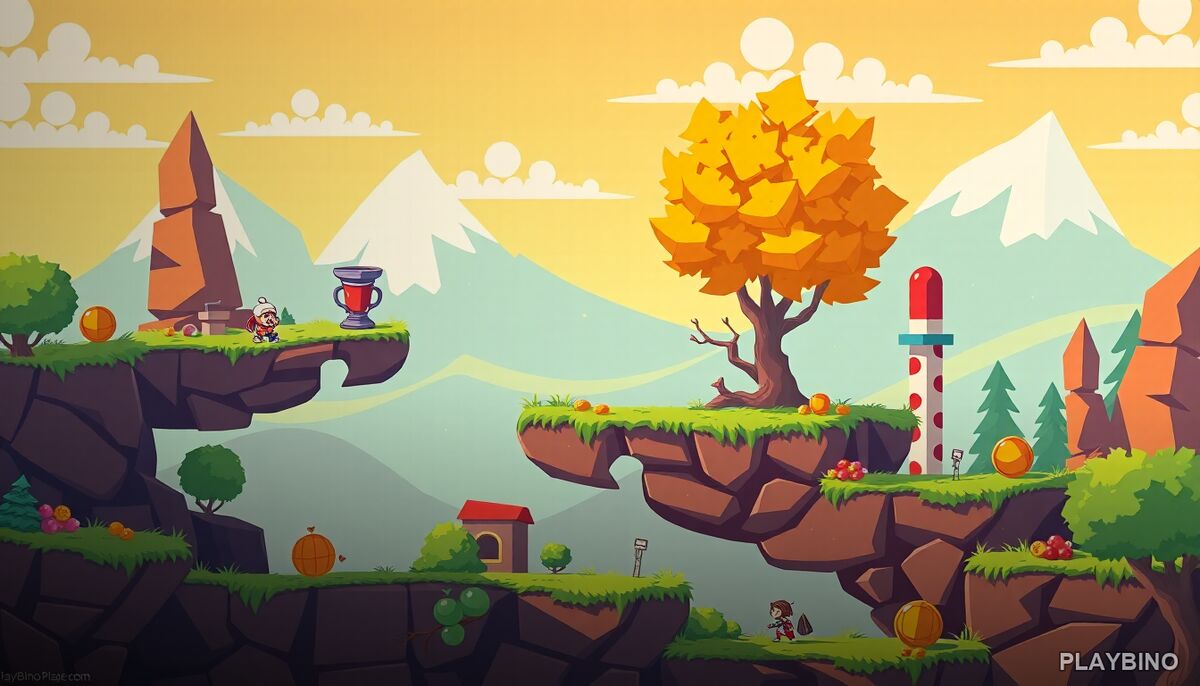
The setup sounds simple: launch a ball and land it in a cup. But this browser puzzle layers in platforms, elevation changes, and bouncing physics that turn each throw into a small calculation. You need three direct hits per level, and the cup is rarely sitting in an obvious spot. Obstacles shift your angle, gaps force you to think about arc height, and the ball behaves with enough weight to punish lazy throws.
The physics engine is the real mechanic here. Shots that look correct on first instinct often drift wide or fall short. You adjust, recalibrate, and try again. That loop of throwing, observing, and correcting is what keeps the game engaging rather than frustrating.
Aiming and Trajectory
Each throw is controlled by angle and power. Getting both right at the same time is harder than it sounds, especially when the cup is elevated or tucked behind a platform edge. A few things worth understanding early:
- Steeper angles work better for cups positioned below your launch point.
- Flat throws tend to carry more horizontal distance but lose height fast.
- Bounces off walls or platforms can redirect the ball usefully — or send it completely off course.
- Elevation gaps require more arc than they appear to need.
The game does not give you a trajectory line, so reading the geometry of each level is part of the challenge. After a few missed shots, the correct path usually becomes clearer.
Stars and Risk
Why Stars Matter
Stars are placed throughout each level, often in positions that require riskier or more precise throws. Collecting them raises your score, but chasing them can cost you accuracy on the cup itself. Early on, it is worth focusing on landing the three hits first and treating stars as a secondary goal once you understand the level layout.
When to Go for Them
Some stars sit directly along the natural path to the cup, making them essentially free. Others require a deliberate detour. If a star forces you to throw at an angle that makes the cup harder to hit, skip it on your first attempt and return to it once the basic shot feels consistent.
Level Progression and What Changes
Early levels introduce the core mechanic with straightforward cup placement. As you advance, the arrangements become more complex. Platforms multiply, gaps widen, and the cup moves to positions that require multi-step reasoning about bounce angles and drop height. Some later levels introduce layouts where a direct throw is physically blocked, meaning you have to use the environment deliberately rather than just aiming straight.
The progression feels measured rather than sudden. Each new arrangement builds on something you have already seen, which makes the difficulty curve feel fair even when individual levels are genuinely tricky.
Patience Over Speed
Fill the Cup rewards players who take a moment before each throw rather than firing quickly. Rushing leads to repeated misses that waste time. A short pause to read the platform layout, estimate the arc, and choose a power level pays off far more than rapid trial and error. The single-player format removes any time pressure, so there is no reason to hurry.
If a shot keeps missing in the same direction, the fix is usually a small angle adjustment rather than a large one. Overcorrecting is a common mistake that sends the ball too far in the opposite direction.
Similar Aiming Challenges
If the ball-into-target format appeals to you, Basket Ball on PlayBino runs on a comparable idea — that browser aiming challenge is worth a look if you want more practice reading arc and distance in a slightly different context. Both games reward the same core skill: judging trajectory without a visible guide line.