Friends Battle Swords Drawn: Flag Combat, Sword Clashes, and PvP Tactics
What the Game Is About
Most two-player browser games keep things simple — hit the other person until one of you stops moving. Friends Battle Swords Drawn adds a layer on top of that. You're not just fighting; you're fighting for flag control, and the flag comes with a twenty-second countdown timer. Hold it long enough without getting interrupted, and you win. That single rule changes everything about how the match plays out.
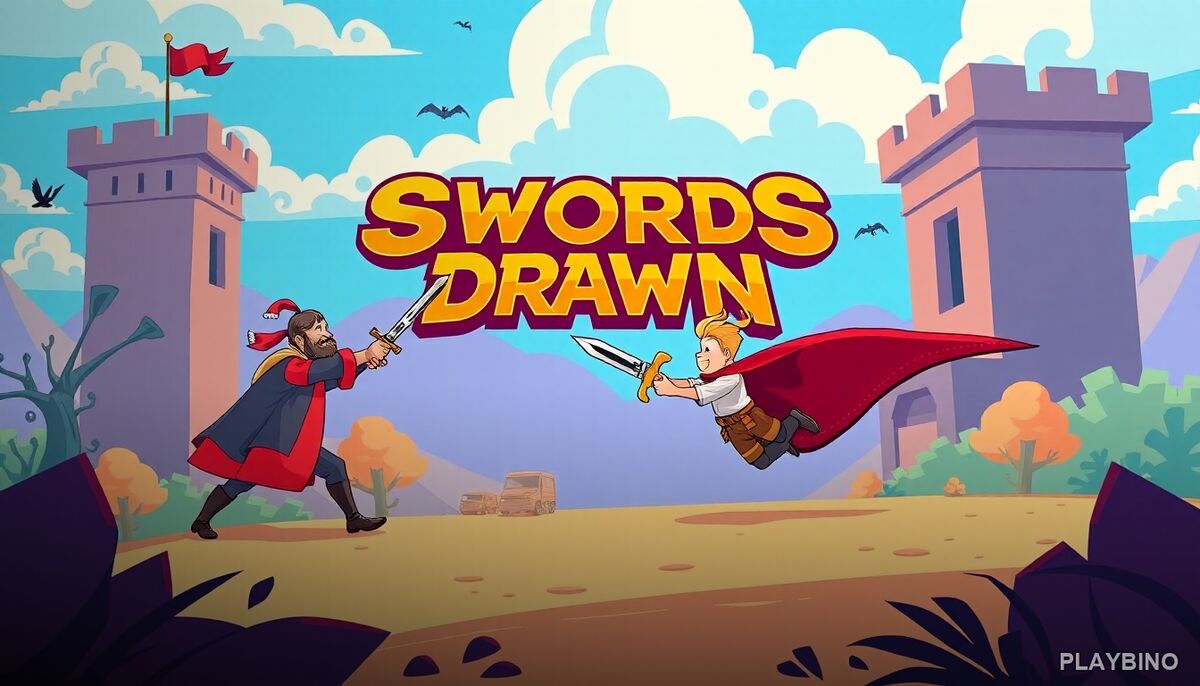
The two rivals share a single screen, circling each other with swords drawn, each looking for the right moment to strike or snatch the flag. You can play it directly in your browser without any downloads or setup — just load up and start swinging.
The Core Loop: Flag, Timer, Disruption
Grabbing the flag starts your countdown. But holding it means your opponent now has a clear target. Every sword hit resets the timer, so a single well-timed strike wipes out whatever progress you've built. This creates a rhythm of pressure and release that plays out differently every match.
Timer Pressure
Twenty seconds sounds short, but under pressure it feels both too long and not long enough. You need enough distance from your opponent to avoid interruption, but retreating too far gives them room to regroup and charge. The timer isn't just a mechanic — it's a psychological tool that forces both players into decisions.
Flag Possession Shifts
The flag changes hands constantly in close matches. One player holds it, gets hit, drops it, and the other scrambles to pick it up before the first player recovers. These chaotic exchanges are where the real action lives. Reaction speed matters, but so does positioning before the scramble starts.
Combat Feel and Controls
The sword combat is direct and readable. Attacks are quick, and the hitboxes feel fair — you know when you landed a hit and when you missed. The controls stay accessible for both players on a shared keyboard, which keeps the barrier low for anyone jumping in for a first match.
Movement is where a lot of the skill gap opens up. Players who learn to control space — cutting off angles, backing opponents into corners, or faking a charge to bait a swing — will consistently outperform those who just spam attacks. The action is fast, but there's room for deliberate play.
Aggression vs. Patience: The Tactical Split
This is where Friends Battle Swords Drawn gets genuinely interesting as a PvP game. Two distinct playstyles emerge naturally, and neither is automatically dominant.
- Aggressive players push forward, attack often, and try to disrupt the opponent's timer before it builds momentum. The risk is overcommitting and leaving the flag unguarded.
- Patient players wait for openings, let the opponent make the first move, and capitalize on mistakes. The risk is giving the flag-holder too much time to accumulate seconds.
- Adaptive players read which approach their opponent favors and switch mid-match — the most effective strategy once you understand both styles.
The game rewards observation. If your opponent always charges after you grab the flag, staying mobile and keeping distance can drain their aggression. If they hang back, a sudden bold flag grab can catch them off guard.
Why the 2-Player Format Works Here
Shared-screen PvP lives or dies on how readable the action is. When both players are on the same screen, chaos can make it hard to track what's happening. This game avoids that by keeping the visual space clean and the mechanics focused. You always know where the flag is, where your opponent is, and how much time is left.
Hook Wars takes a different approach to two-player combat — that game's mechanics lean into physics and grappling rather than sword-based positioning, so it's worth a look if you want variety in your PvP sessions on PlayBino.
Who Gets the Most Out of It
Anyone who enjoys competitive local multiplayer will find a lot of replay value here. The matches are short enough that a loss never feels punishing — you're back in within seconds. Over time, both players develop a read on each other's habits, and matches become less about raw reaction and more about outthinking a familiar opponent. That evolution from chaotic brawl to tactical duel is what keeps the format engaging across multiple sessions.