Fruit Merge Reloaded: Drop, Merge, and Stack Your Way to a High Score
What You're Actually Doing
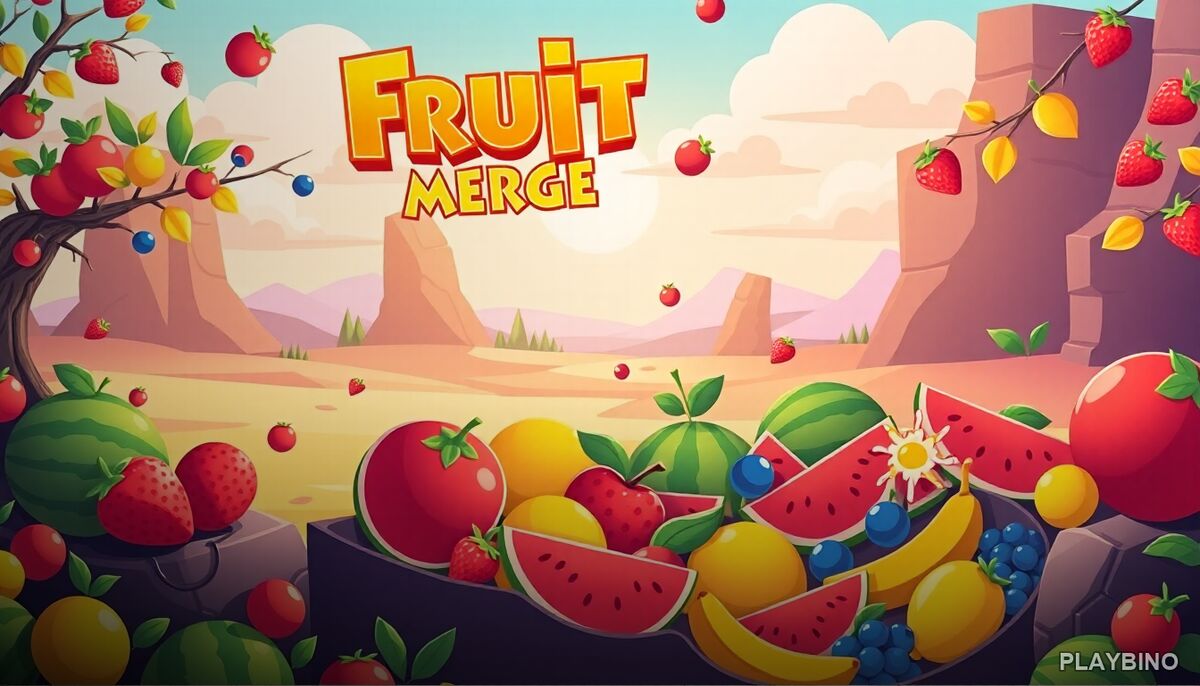
Fruit Merge Reloaded is a puzzle game built around one deceptively simple loop: drop a fruit into a container, watch it land, and hope it touches an identical piece. When two matching fruits collide, they merge into a larger, more valuable variety. That new piece can then trigger another merge below it, and suddenly a quiet stack erupts into a chain reaction you barely planned for.
The progression chain climbs from tiny berries up through increasingly large fruits, each merge pushing your score higher. The browser version runs smoothly with responsive physics, so the fruits settle realistically after every drop, which matters more than it sounds once your stack starts getting tall.
How the Dropping Mechanic Feels
You control where each fruit lands by moving the drop point left or right before releasing. The physics engine handles the rest — pieces roll slightly, stack unevenly, and sometimes nudge a neighbor into an unexpected merge. That unpredictability is part of the appeal.
Timing Your Drops
Rushing drops is the fastest way to lose. A fruit placed too quickly on top of an unstable pile can roll to the wrong side and block a merge you needed. Slowing down to read the current layout before each drop pays off, especially in the mid-game when the container starts to fill.
Anticipating Chain Reactions
Chain reactions happen automatically when a newly merged piece lands next to another of the same type. You can set these up deliberately by stacking similar fruits near each other before triggering the merge above them. Recognizing these opportunities is what separates reactive play from actual strategy.
Managing Space Under Pressure
The core tension in this arcade puzzle is space. Every fruit you drop takes up room, and larger merged fruits take up even more before they merge again. The container fills from the bottom, and if your stack reaches the top, the game ends.
Smart space management means thinking two or three moves ahead. Placing a fruit in a corner might feel safe, but it can trap a piece that needed to merge across the container. Keeping the stack relatively flat and avoiding tall spikes on one side gives you more options as the game progresses.
- Avoid stacking identical fruits in separate corners — they need to be adjacent to merge.
- Prioritize clearing mid-size fruits before they pile up and block larger merges.
- When a chain reaction starts, watch where the new piece settles before dropping the next one.
- Smaller fruits near the top are dangerous; try to merge them quickly before they push the stack over the limit.
Scoring and Progression
Every merge adds points, and higher-tier fruits are worth significantly more than smaller ones. Chain reactions multiply the value of a single well-placed drop, which is why experienced players focus on building merge setups rather than just filling space. A single cascade at the right moment can double a score that took two minutes to build.
There is no level structure — the game runs as a single continuous session until the container overflows. That format makes each run feel like a personal puzzle to solve differently from the last one.
Who Plays This and Why
Fruit Merge Reloaded sits in a comfortable space between casual arcade play and light strategy. The colorful fruit designs and satisfying merge animations make it visually engaging without being overwhelming. Sessions can be short or long depending on how carefully you play.
Players who enjoy spatial puzzles, physics-based mechanics, or merge games will find a lot to revisit here. The Fit Cats puzzle on PlayBino — another spatial challenge worth exploring — shares some of that same satisfying logic if you like games that reward careful placement thinking.
What Makes Runs Feel Different
No two sessions play out the same way because the fruit sequence and physics outcomes vary. A run where large fruits appear early feels completely different from one where small pieces dominate the first thirty drops. Adapting your placement strategy to whatever the game hands you is a real skill that develops over multiple sessions, and that variability is what keeps the format from feeling repetitive.