Heaven Challenge 2 Player: Teamwork, Traps, and Timed Runs
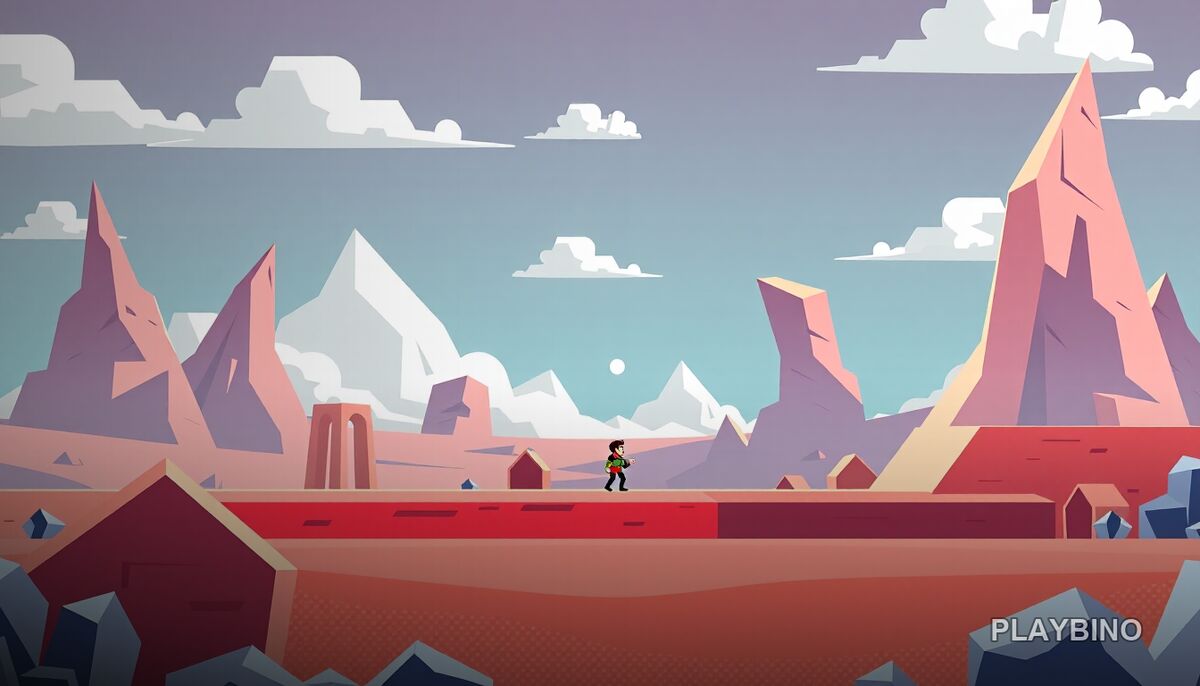
What This Game Is About
Some platformers reward solo reflexes. Heaven Challenge 2 Player takes a different approach entirely — it puts two players on the same screen, hands them a ticking clock, and asks them to figure it out together. The goal sounds simple: collect the red and yellow keys scattered across each level, then reach the exit door. The execution is anything but simple.
Traps, gaps, and moving hazards fill every stage. Neither player can afford to rush blindly, and neither can afford to stall. This co-op platformer on PlayBino turns what looks like a casual action game into a genuine test of coordination and timing.
The Camera Rule Changes Everything
Most platformers let players explore at their own pace. Here, both characters must stay within the camera frame at all times. Wander too far in opposite directions and one player disappears off-screen — and the run ends immediately.
This single mechanic reshapes how you think about movement. You can't split up to grab keys faster. You can't let one player charge ahead while the other catches up. Every step has to be roughly matched, which means constant awareness of where your partner is, not just where you are.
Timing Hazards Together
Many traps — spinning blades, falling platforms, pressure triggers — require both players to move at the same moment. One player waiting while the other crosses can push them out of frame. Moving too early means walking into a hazard. The solution is short, clear communication before each obstacle, especially in later levels where the margin for error shrinks.
Key Collection and Level Flow
Each stage requires both the red and yellow keys before the exit door unlocks. The keys are usually placed in different parts of the level, which means the path isn't linear. Players have to decide together which key to target first based on what hazards stand between them and each one.
Route Choices
Early levels are forgiving enough to experiment. Later stages introduce branching paths where choosing the wrong route wastes precious seconds. Paying attention to trap patterns on your first attempt — even if you fail — gives you the information needed to plan a cleaner second run.
Skill Ceiling and Progression
The action and puzzle elements work together as difficulty increases. Early levels teach basic mechanics: jump timing, trap avoidance, key locations. Mid-game levels start stacking these mechanics — a jump over a spike pit that also requires both players to land on a moving platform simultaneously. Late levels demand near-perfect sync between both characters.
This progression makes the game feel earned. There's no single spike in difficulty; it climbs steadily, giving both players time to build the coordination habits that harder stages will demand.
- Two-player local co-op with shared screen
- Collect red and yellow keys before unlocking the exit
- Timer adds pressure to every decision
- Camera range mechanic forces players to stay close
- Increasing trap complexity across levels
- Skill and puzzle elements blend naturally
Who This Game Suits
Anyone who enjoys co-op action with a real challenge will find something here. It works well for two players who want a game that actually requires them to talk and plan rather than just exist in the same space. The skill ceiling is high enough that experienced players will still find later levels demanding, but early stages are accessible enough for newcomers to learn the basics without frustration.
If the two-player format appeals to you, another co-op browser challenge worth trying is Funny Noob 2 Player, which takes a lighter tone while still putting both players through their paces.
Communication as a Core Mechanic
What separates Heaven Challenge 2 Player from standard platformers is that communication isn't optional — it's built into the design. The camera rule, the shared key objectives, the synchronized trap timing: all of it pushes two players toward actual cooperation rather than parallel solo play. That's a harder thing to design than it sounds, and it's what makes each completed level feel like a shared achievement rather than luck.