Hidden Object Rooms Exploration: Search, Spot, and Solve 18 Detailed Scenes
What Kind of Game Is This?
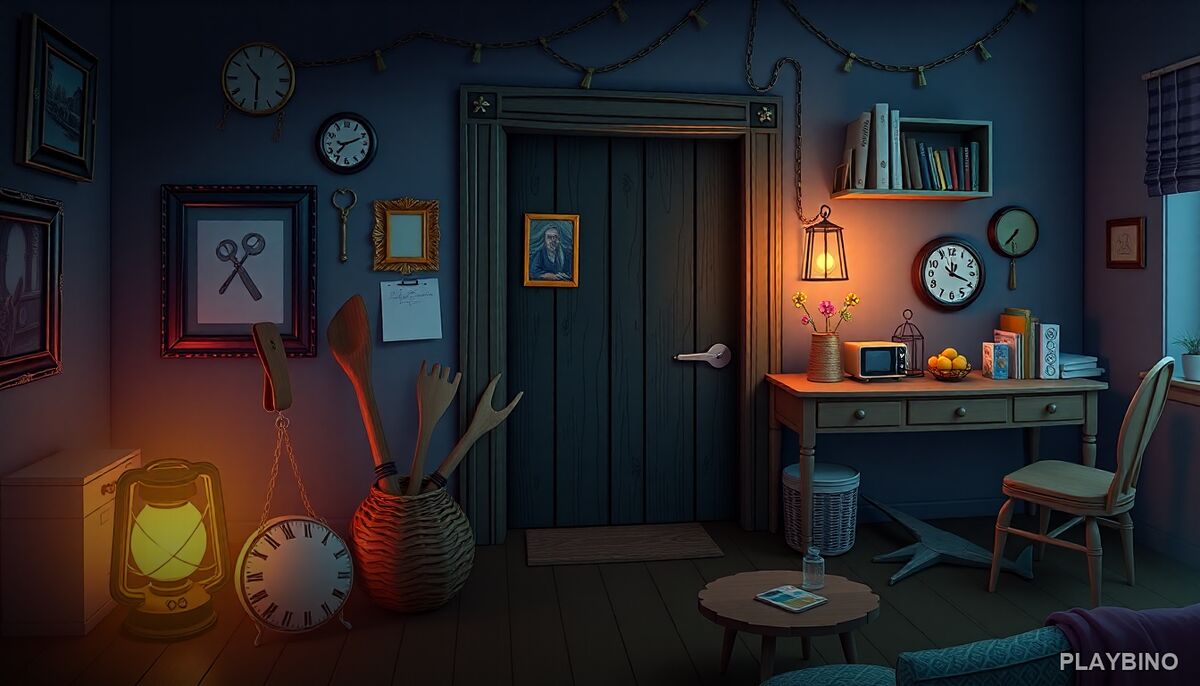
Hidden Object Rooms Exploration is a single-player visual puzzle game built around one core skill: noticing what others overlook. Across 18 distinct room settings, the game asks you to locate six hidden items per level, each tucked into a carefully designed scene filled with clutter, furniture, and decorations. There is no timer pressure and no combat. The challenge is purely observational, making it a strong fit for players who enjoy brain and logic puzzles at their own pace. You can start searching directly in your browser without any download or setup.
Room Variety and Scene Design
One of the more appealing aspects of this game is how much the environments shift between levels. Early scenes might place you in a cozy living room with bookshelves and soft lighting, while later stages move into busier spaces like kitchens filled with utensils, jars, and countertop clutter. Each room has its own visual logic, meaning the hiding spots feel appropriate to the setting rather than random.
The design team clearly put thought into how objects blend into their surroundings. A wooden spoon might disappear against a cutting board. A small figurine could sit unnoticed on a crowded shelf. Some items hide in plain sight, which is often more frustrating than objects tucked into corners.
Navigation and Controls
Dragging and Zooming
Each scene is larger than the visible screen area, so you navigate by dragging the view across the room. This gives the game a slightly exploratory feel, closer to physically scanning a space than simply clicking a static image. Zooming in on suspicious areas is essential in later levels, where objects shrink into the background detail.
Clicking and Confirmation
When you spot a hidden item, clicking it removes it from your list and highlights the find. The feedback is clean and satisfying. There is no penalty for clicking the wrong area in most cases, which keeps the experience relaxed rather than punishing. The focus stays on observation rather than accuracy under pressure.
What Makes the Puzzle Logic Work
Hidden object games live or die by how well the items are concealed, and this one manages the balance reasonably well. Objects are not randomly placed; they follow the visual theme of each room. That means your search strategy should shift depending on the setting. In a kitchen, check near appliances and storage. In a living room, scan shelves, cushions, and window areas.
- Six items to find per level across 18 rooms
- Objects blend into scene-appropriate locations
- Drag navigation encourages thorough scanning
- No time limit, so patience is rewarded over speed
- Zoom mechanic helps with smaller or well-camouflaged items
The logic here is about building a mental map of each room and systematically eliminating areas. Players who approach it methodically will clear levels faster than those who scan randomly.
Who This Game Suits
If visual puzzles and careful observation appeal to you more than reflex-based challenges, this game fits that preference well. It works as a short session game, something you pick up for a level or two rather than a long sitting. The 18 levels provide enough variety to stay interesting without becoming repetitive, and the room themes give each stage a distinct atmosphere.
Doors Awakening takes a different approach to puzzle exploration — that room-based puzzle experience leans more into logic sequences and environmental storytelling if you want something with a different kind of challenge after finishing here.
Atmosphere and Accessibility
The visual style is warm and detailed without being overwhelming. Scenes feel lived-in, which helps the hidden objects feel like they genuinely belong rather than being dropped in artificially. PlayBino hosts the game cleanly in-browser, so there is no friction between deciding to play and actually playing. For anyone who enjoys slow-burn brain puzzles with a satisfying payoff, this one delivers a consistent experience across all 18 levels.