Jumping Peak: Timing, Reflexes, and the Endless Run
What Kind of Game Is This?
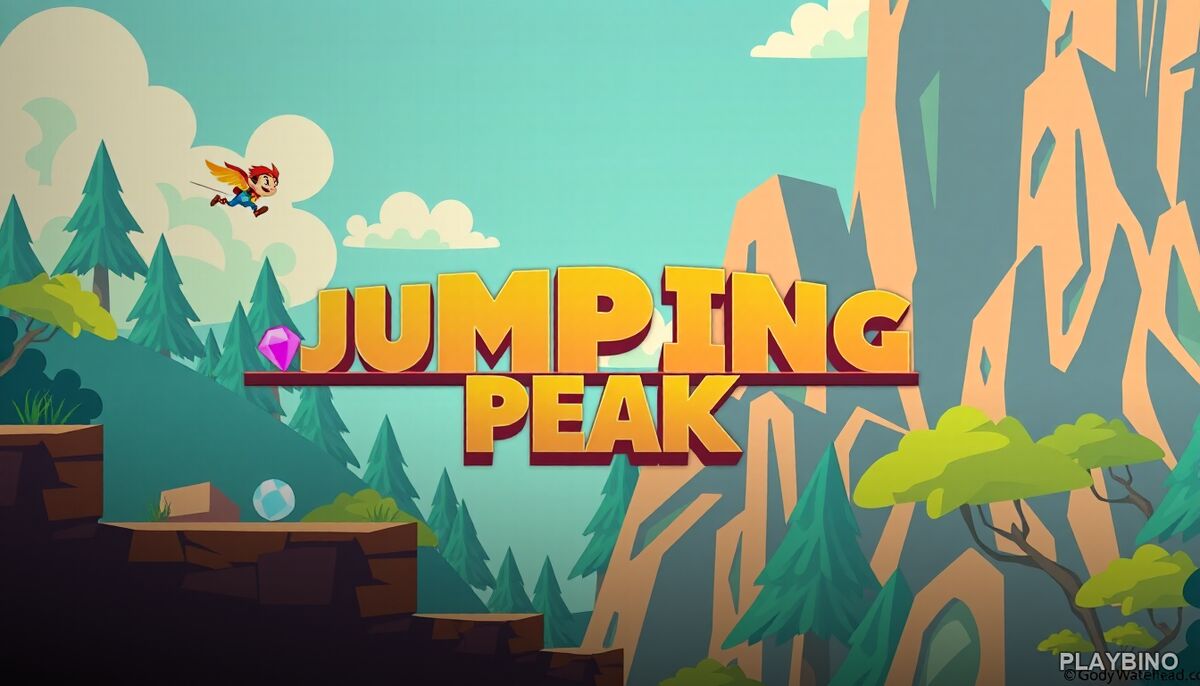
Jumping Peak is a skill-focused arcade runner built around one core demand: jump at the right moment. The concept is stripped back, but the execution is where things get interesting. Each run places your character on a moving path, and obstacles appear with increasing frequency and complexity. Miss your timing by a fraction and the run ends. Land it cleanly and the momentum carries you forward. Try the full run and you'll quickly see how deceptively difficult the rhythm becomes.
Obstacle Patterns and Increasing Complexity
The game doesn't throw random chaos at you. Obstacle patterns follow a logic, and experienced players will start recognizing sequences after a few attempts. Early stages feel manageable. Later arrangements require reading two or three obstacles ahead while still reacting to the one in front of you.
Timing Windows
Each jump has a tight window. Jumping too early clips the obstacle from below. Jumping too late means you walk straight into it. The game rewards players who stay calm and commit to their read rather than flinching at the last second. Hesitation is usually the cause of most failed runs.
Pattern Recognition Over Reaction
Pure reflex only carries you so far. The real skill is learning to anticipate. Once you've seen a specific obstacle cluster a few times, you start pre-loading your jump decision before the obstacle fully enters your view. That mental shift from reacting to predicting is what separates short runs from long ones.
Six Characters and What They Change
Jumping Peak offers six playable characters, each with a distinct visual style and slightly different feel. Some players gravitate toward a specific character not just for aesthetics but because the visual framing changes how they perceive jump timing. Experimenting with a few options early on is worth the effort. Finding a character that clicks with your rhythm can make a noticeable difference in consistency.
Environments and Visual Variety
The game cycles through multiple environment themes, each with its own color palette and obstacle design language. This keeps longer sessions from feeling repetitive. A snow-covered path feels visually distinct from an industrial or forest setting, and the obstacle arrangements shift to match each theme. The variety isn't just cosmetic — different backgrounds affect how quickly you can read incoming obstacles, which adds another layer of adaptation.
How to Improve Your Runs
- Stay consistent with your jump input. Mashing the button at the last second rarely works. Commit early.
- Watch the ground, not the character. Tracking the obstacle path rather than your character's position gives you more reaction time.
- Accept short runs as practice. Every failed attempt teaches you a pattern. The game's loop is designed around this cycle of failure and learning.
- Switch characters if your timing feels off. Sometimes a visual reset helps recalibrate your rhythm.
- Don't chase distance immediately. Focus on clean jumps first. Distance follows naturally from consistency.
A Similar Challenge Worth Trying
Jumping Peak sits in the same mental space as other arcade games that punish hesitation and reward precision. Knife Train Test on PlayBino operates on a comparable reflex-and-timing loop — that skill-based arcade challenge is worth a look if you enjoy games where a single mistimed input ends your run. Both games share that quality where the difficulty feels fair rather than arbitrary, because the rules never change — only your execution does.
"