Letter Dash: Typing Speed Arcade Game Guide
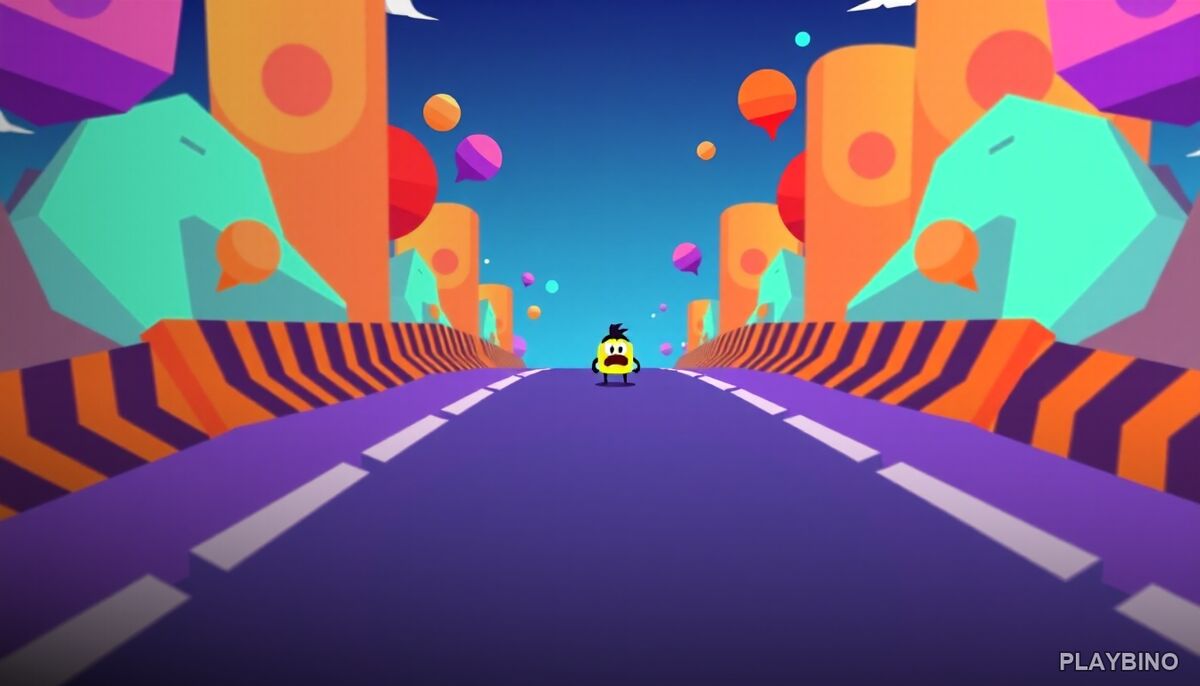
What Letter Dash Actually Does
Most typing games ease you in gently. Letter Dash does not. Letters begin dropping from the top of the screen almost immediately, and the only way to clear them is to type each character before it hits the bottom. The mechanic sounds simple, but the pressure builds faster than most players expect. Try the full run and you will notice how quickly a comfortable pace turns into a scramble.
The Core Loop and How Pressure Builds
The endless runner structure means there are no discrete levels to complete. Instead, the difficulty increases continuously as letters fall faster and in greater numbers. Early in a run, you have time to look, locate, and type each character deliberately. A few rounds in, that window shrinks. The game never resets the pace back to calm, so every second you survive is earned.
Missing a letter does not end the run immediately. Instead, uncleared characters accumulate near the bottom of the screen, narrowing your margin for error. This creates a secondary layer of pressure: you are not just racing the current letter, you are managing a growing backlog. One burst of inaccuracy can stack up quickly and push you into a losing position even if your overall speed is solid.
Accuracy vs. Speed: The Real Trade-Off
Why Accuracy Matters More Early
In the opening phase of a run, the temptation is to type as fast as possible. But mistyped characters do not clear the letter, they just waste time. Staying accurate in the early rounds keeps the screen clean and gives you a buffer when the pace spikes later. Players who rush from the start often find themselves overwhelmed before the run reaches a genuinely difficult speed.
When to Prioritize Speed
Once the backlog starts building, raw speed becomes more important than precision. At that point, clearing any letter is better than clearing none. The game rewards players who can shift gears between careful typing and rapid-fire responses depending on what the screen looks like. Reading that situation correctly is the main skill the game develops over repeated sessions.
What Makes the Arcade Format Work Here
The minimal visual design is a deliberate choice. There are no animations competing for attention, no background distractions, and no scoring animations that pull your eyes away from the falling characters. The entire interface is built to keep focus on the letters and nothing else. For an arcade typing challenge, that restraint works well. The 1-player format also means every run is purely about your own performance, with no external variables affecting the outcome.
- Continuously escalating fall speed keeps runs from feeling repetitive
- Missed characters stack visually, giving clear feedback on how the run is going
- No level breaks means the pressure never fully releases once it starts building
- Short sessions are just as valid as longer ones due to the endless structure
Who This Game Suits
Letter Dash works well for anyone who types regularly and wants to sharpen their reflexes under pressure. It is also a reasonable warm-up tool before longer typing sessions, since it forces your fingers and eyes to sync quickly. The arcade framing makes it feel less like practice and more like a game, which helps with motivation during repeated runs. Players who enjoy reaction-based challenges where personal improvement is measurable will find the loop satisfying.
A Different Kind of Reflex Challenge
If reaction-based arcade games appeal to you, Timber Gladiator offers a different take on the same instinct, swapping typing for physical timing in a chopping mechanic that also escalates in difficulty. Both games share the same core tension: act fast, stay accurate, and do not let the pace overwhelm your rhythm. Letter Dash is available to play directly in your browser on PlayBino, with no download or account required.