Maze Madness Adventure: Labyrinths, Logic, and Dark Mode Challenges
What Kind of Game Is This?
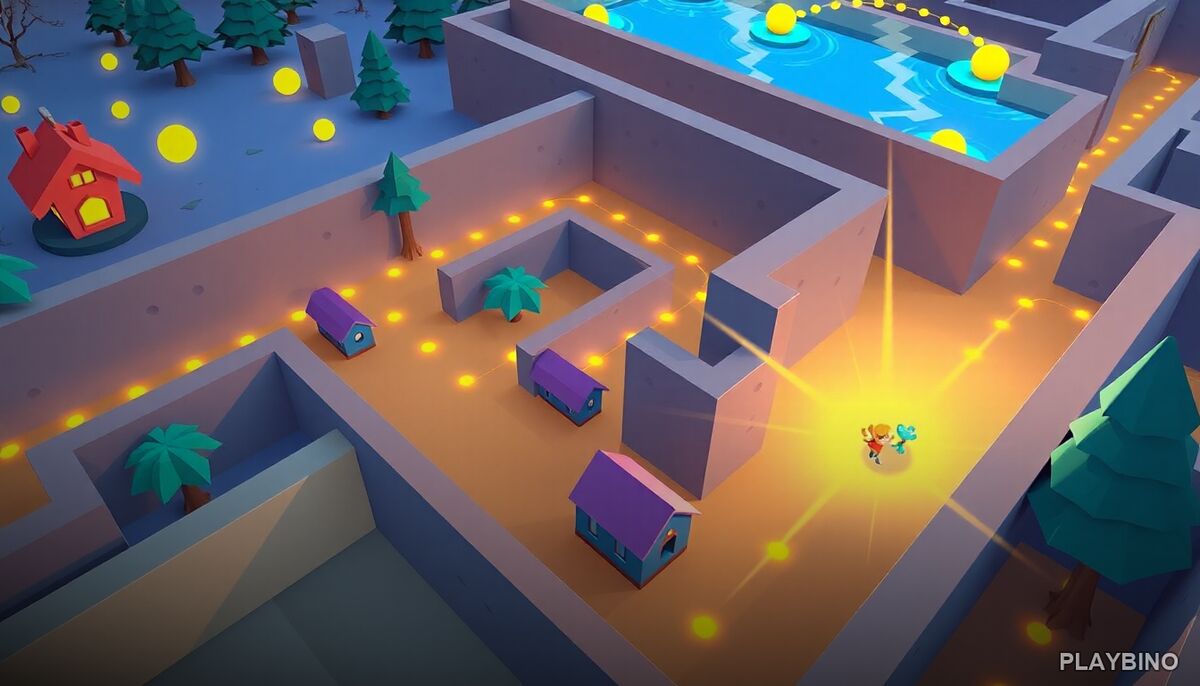
Maze Madness Adventure is a browser-based puzzle game built around spatial reasoning and pattern recognition. You navigate through a series of hand-crafted labyrinths, each one more complex than the last. Dead ends are frequent, layouts shift between levels, and the game never lets you settle into a single strategy for long. If you enjoy brain-focused challenges that reward careful thinking over reflexes, this browser puzzle is worth your attention.
The Three Modes and What They Demand
The game offers distinct modes that change how you approach each maze. Standard mode is the most accessible entry point — you explore at your own pace, scanning corridors and backtracking without pressure. It suits players who want to work through the logic of each layout methodically.
Timed runs are a different experience entirely. The clock forces decisions before you have full information. You commit to a direction, accept the risk of a dead end, and recover fast when a route closes off. The pressure changes how the brain engages with the maze — less deliberate, more instinctive.
Dark mode is the most demanding of the three. Visibility drops sharply, and you navigate shadow-filled corridors with limited sight lines. Memory becomes your primary tool. You build a mental map of what you have already explored, rely on instinct at intersections, and correct course when your mental picture turns out to be wrong. It is a genuinely different kind of spatial challenge compared to the standard experience.
Maze Design and Escalating Complexity
Layout Variety
Each maze introduces a fresh layout rather than recycling the same structure with minor edits. Corridor widths, branching patterns, and the placement of dead ends shift from level to level. The game avoids the repetition that makes many puzzle titles feel stale after a short session.
Obstacles and Progression
As you advance, the mazes grow more intricate. The number of plausible-looking routes increases, which means more opportunities to commit to a wrong path. The game scales the complexity gradually enough that the difficulty feels earned rather than arbitrary. Players who stick with it will notice their spatial reasoning improving across sessions.
Controls and Accessibility
The controls are straightforward — directional input moves your character through the corridors. There is no complex button mapping or ability system to learn. The accessibility of the controls means the cognitive load stays focused on the maze itself rather than on managing mechanics. That is the right call for a logic-based puzzle game where the layout is the challenge.
Strategy Tips for Harder Mazes
- Trace the walls: Following one wall consistently is a classic maze strategy that prevents looping and helps you cover unexplored sections systematically.
- Mark dead ends mentally: In dark mode especially, remembering which corridors led nowhere saves time on subsequent passes.
- Prioritize open space: When multiple routes look similar, lean toward the direction that feels less enclosed — exits tend to sit at the edges of the layout.
- Use timed mode to sharpen instincts: Even if you prefer relaxed play, running a few timed attempts trains faster spatial decision-making that carries over to standard mode.
A Similar Puzzle Experience on PlayBino
Snake And Apple takes a different approach to browser-based logic — the spatial awareness required to plan your snake's route without trapping yourself shares some DNA with maze navigation. The Snake And Apple challenge is worth exploring if you like puzzle games that punish poor planning but reward pattern recognition over time.