Merge Monster Attack: Fuse Weapons and Defend Against the Waves
What Kind of Game Is This?
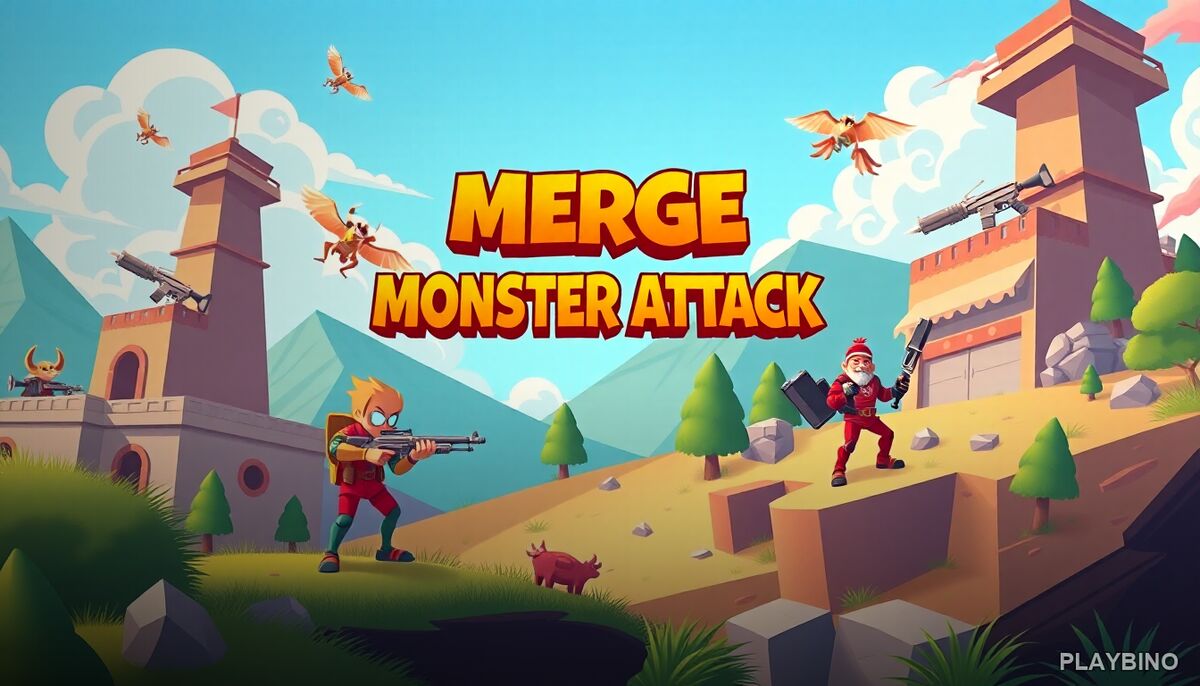
Merge Monster Attack sits at the intersection of tower defense and puzzle strategy. You're not placing static turrets and waiting — you're actively combining weapons, reading the battlefield, and making fast decisions as waves of monsters push toward your position. The merging mechanic keeps your hands busy and your brain engaged throughout every round. If you want to try the full challenge, it runs directly in your browser with no downloads needed.
The Merging System Explained
The core loop is straightforward: drag two identical weapons onto each other to fuse them into a stronger version. That upgraded weapon deals more damage, covers more range, or fires faster depending on the type. The satisfaction comes from watching a basic tool evolve into something that tears through entire enemy rows.
What makes this more than a simple match mechanic is the pressure around it. You can't just merge at your own pace — monsters are already moving, and every second you spend reorganizing your arsenal is a second the front line gets closer. The puzzle element lives in that tension between planning ahead and reacting now.
Weapon Tiers and Upgrades
Each merge pushes a weapon up one tier. Higher tiers don't just mean more damage — attack patterns shift, some weapons gain area coverage, and others become more precise. Learning which weapon types suit which wave compositions becomes part of the long-term strategy.
Wave Structure and Escalating Pressure
Waves arrive in steady sequences, but the ferocity ramps up quickly. Early rounds give you breathing room to build up your merge chains. Later waves flood the field faster, leaving almost no time between decisions. The game does a good job of using this escalation to keep the tower defense tension genuine rather than just cosmetic.
Resource management plays into this too. You have limited slots for weapons on the battlefield, so hoarding unmerged pieces can backfire. Knowing when to merge immediately versus when to hold a weapon in reserve for a better combination is one of the more interesting decisions the game consistently asks you to make.
Positioning and Attack Range
Placement Matters
Not every weapon slot is equal. Positioning a high-damage, short-range weapon too far back means enemies reach your base before it fires effectively. Long-range weapons placed at the front can waste their reach. Thinking about coverage zones — similar to classic tower defense logic — adds a spatial layer on top of the merge puzzle.
Adapting Mid-Wave
The game allows repositioning between merges, which means you can shift your setup as the monster composition changes. Some waves bring fast, low-health enemies that need rapid-fire coverage. Others send tanky monsters that require your highest-tier weapons concentrated in one lane. Reading the incoming threat and adjusting placement is where experienced players pull ahead.
Who This Game Suits
Players who enjoy merge mechanics in mobile-style puzzle games will find the format familiar but with more active strategy attached. The tower defense structure adds stakes that pure merge puzzles often lack. It rewards patience in the early rounds and quick thinking as the pressure builds. Level Up Mutants takes a different angle on monster-themed progression — that browser experience is worth exploring if you like the creature-upgrade concept in a different format.
Tips for Surviving Longer
- Prioritize merging lower-tier weapons early so you're not cluttered when higher waves arrive.
- Keep at least one high-tier weapon positioned mid-field to handle fast-moving enemies.
- Don't merge just because you can — sometimes holding two mid-tier weapons in reserve covers more ground than one high-tier piece.
- Watch the edges of the battlefield; monsters that slip past your main cluster can reach your base from unexpected angles.
- Use the gap between waves to reorganize weapon placement before the next assault locks you into reactive mode.
Merge Monster Attack on PlayBino delivers a compact but layered strategy experience that keeps each session feeling active. The merge puzzle and tower defense elements reinforce each other well, and the escalating wave design ensures the challenge stays real from the first round to the last.