Merge Shooter: Tower Defense Strategy with Merge Mechanics
What Kind of Game Is This?
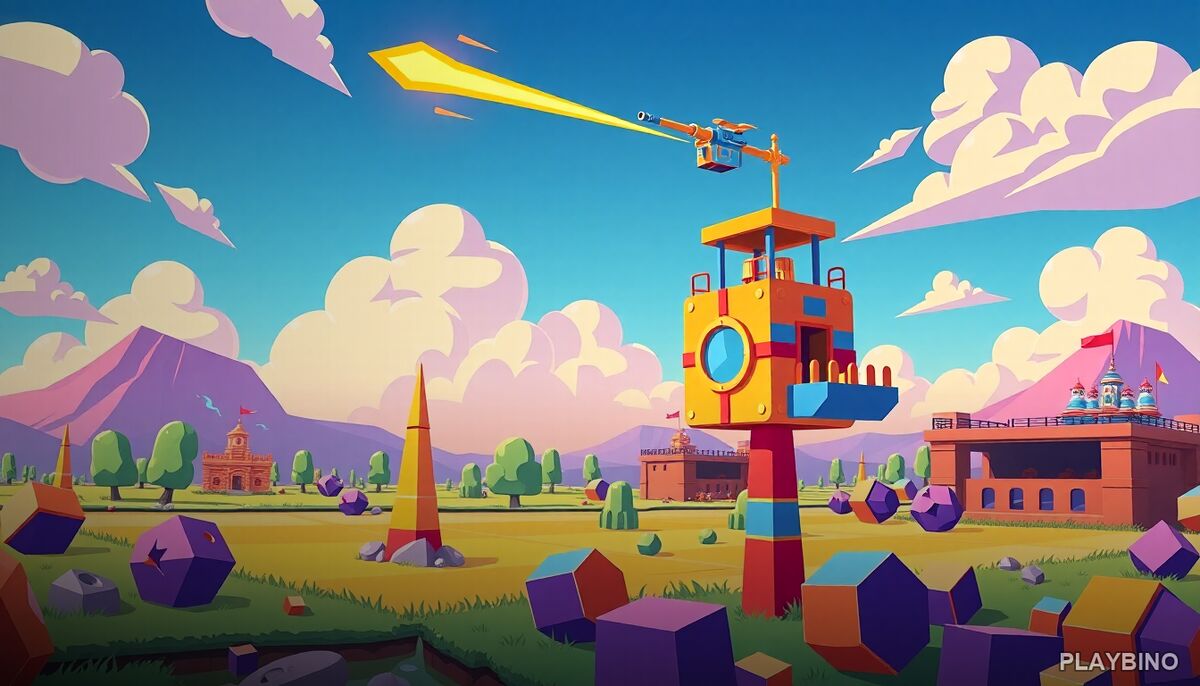
Merge Shooter sits at the intersection of tower defense and puzzle strategy. The core loop asks you to place turrets on a battlefield, then combine matching ones to produce stronger versions. It sounds simple at first, but the pressure of incoming enemy waves quickly forces you to think several moves ahead. You can play it directly in your browser without any downloads or installs.
The game draws from two well-established genres and blends them in a way that feels purposeful. Tower defense fans get the satisfaction of watching a well-built defense shred through enemy formations. Puzzle players get the mental workout of deciding which merges to prioritize and when to hold back.
The Merge Mechanic Explained
Every turret on the board has a tier. Place two identical turrets next to each other and combine them to unlock the next level up. Higher-tier turrets deal more damage, cover wider areas, or fire faster depending on their type. The catch is that merging takes up space, and space on the battlefield is limited.
Timing Your Merges
Merging at the wrong moment can leave you exposed. If a wave is already incoming and your board is mid-reorganization, gaps in your defensive line open up fast. Learning when to hold identical turrets in reserve versus when to merge immediately is one of the most important skills the game teaches.
Positioning Logic
Where you place upgraded turrets matters as much as when you merge them. A high-tier turret buried in the back row may not reach fast-moving enemies near the front. Thinking about coverage zones and enemy pathing adds a layer of spatial reasoning that keeps the strategy element sharp.
Enemy Waves and Escalating Pressure
Early waves introduce slow, straightforward enemies that give you time to experiment. As you progress, enemy types diversify. Some move faster, others absorb more damage, and certain waves combine both. The game does not hold back on difficulty scaling, and by the mid-game you are constantly reassessing your setup between rounds.
Resource management ties directly into this pressure. You earn currency from defeated enemies, which funds new turret placements. Spending too aggressively early can leave you without the pieces needed for a critical merge during a tough wave. Spending too conservatively means your firepower stays low when you need it most.
Progression and Upgrades
Outside of the moment-to-moment merge decisions, Merge Shooter includes a broader progression system. Unlockable upgrades improve base turret stats, expand your starting resources, or introduce new turret types with different attack patterns. This gives longer play sessions a sense of forward momentum beyond just surviving the next wave.
The variety in enemy patterns also contributes to replayability. Because different enemy compositions demand different defensive setups, you rarely feel like you can rely on a single fixed strategy across all stages.
Who Plays This and Why
- Players who enjoy tower defense games but want an added puzzle layer.
- Anyone who finds merge mechanics satisfying and wants more strategic depth behind them.
- Strategy fans looking for a browser game that rewards planning over reflexes.
- Casual players who want short sessions with meaningful decisions each round.
The game does not require fast reactions. Success depends on reading the board, anticipating what the next wave brings, and making smart merge calls under mild time pressure. That combination makes it accessible without feeling shallow.
A Similar Merge Experience on PlayBino
Chicken Wars: Merge Guns takes a comparable approach to merge-based combat — that game has its own strategic wrinkles worth exploring if the merge loop in Merge Shooter clicks for you. Both games reward players who think about upgrades and timing, but each brings a different visual style and enemy structure to the formula.