Piggy Bank: Physics Puzzle Coin Drop Guide
What Kind of Game Is This?
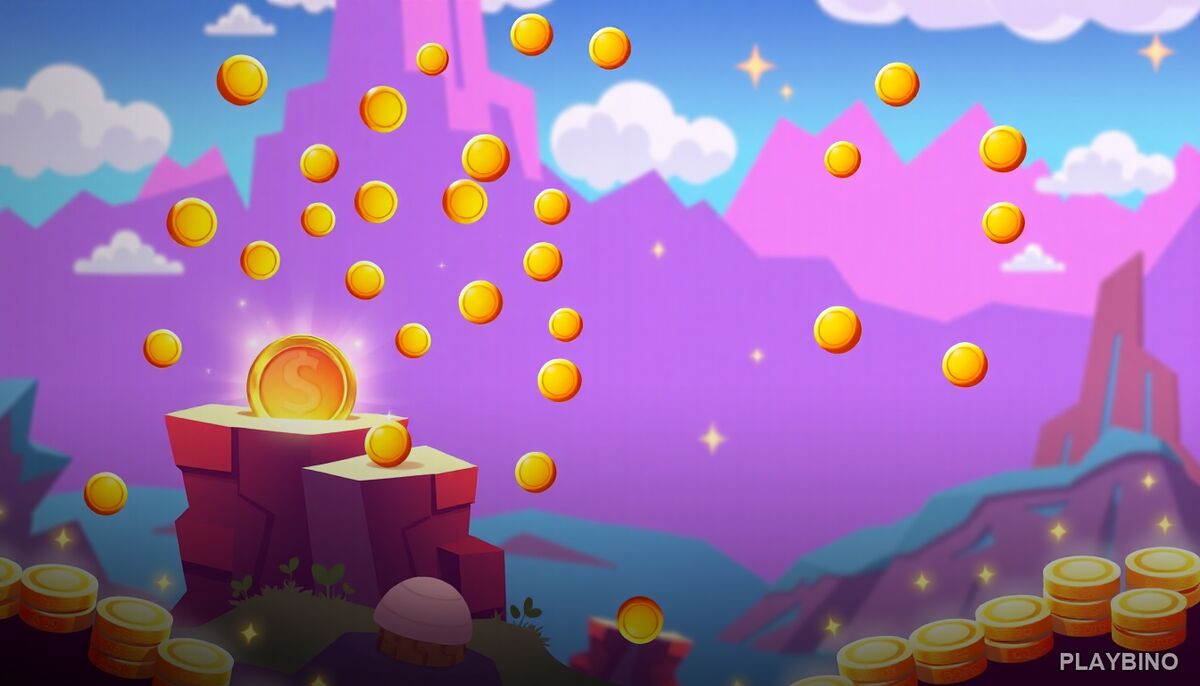
Piggy Bank is a single-player physics puzzle where the goal is straightforward: drop coins and collect enough of them to meet each level's quota. The catch is that coins don't fall in a straight line. They bounce off obstacles scattered across the play area, and every drop plays out differently depending on where each coin makes contact. Play it directly in your browser and you'll feel the unpredictability almost immediately.
How the Coin Drop Works
Each round starts with a set number of coins ready to release. Clicking the release button sends them tumbling downward through a field of barriers. These obstacles act as deflectors — some redirect coins toward the collector, others send them off course entirely.
The physics engine gives each coin a slightly different trajectory based on the angle and position of impact. Two coins dropped at the same moment can end up in completely different places. That randomness is the core tension of the game.
Timing Your Clicks
While the physics introduce chance, clicking strategically still matters. Releasing coins one at a time versus in quick succession changes how they interact with the obstacles and each other. Watching a few coins settle before releasing the next batch can help you judge whether the current layout is working in your favor.
Reading the Obstacle Layout
Each level arranges barriers differently. Some setups funnel coins naturally toward the collection zone. Others are designed to scatter them. Spending a second to scan the layout before clicking can save you from burning through your coin supply too quickly.
Meeting the Coin Quota
Every level has a target number of coins that must reach the collector. The challenge isn't just dropping coins — it's dropping enough of them successfully within the constraints of the level. If too many coins bounce away from the collection zone, you fall short of the quota and have to retry.
As levels progress, the obstacle arrangements become more complex and the margin for error tightens. What worked in earlier stages won't always translate to later ones, so adapting your approach matters.
The Feel of the Bouncing Physics
The unpredictability of the physics is what keeps the game engaging across multiple attempts. Unlike a pure logic puzzle where the solution is fixed, here each run has a slightly different outcome even if you repeat the same actions. Coins ricochet in ways that feel satisfying when they chain off multiple obstacles and land exactly where you need them.
This makes Piggy Bank sit somewhere between a skill game and a casual puzzle — you're not solving a static problem, you're reacting to a dynamic system. Players who enjoy watching cause-and-effect mechanics play out will find this loop rewarding.
What Makes Each Attempt Different
- Obstacle positions vary between levels, changing deflection angles each time
- Coin-on-coin collisions add an extra layer of unpredictability
- The quota pressure increases as stages advance
- Strategic release timing affects how coins spread across the field
These variables mean that even replaying the same level rarely feels identical. The physics system does enough work to keep each drop interesting without making the outcome feel completely out of your hands.
A Different Kind of Physics Puzzle
Piggy Bank fits well alongside other browser-based skill puzzles that rely on environmental interaction rather than direct control. If you're drawn to games where objects move through space and collide in interesting ways, another physics-driven challenge worth trying is Octopus Legs, which takes a different approach to movement and obstacle interaction. Both games share that satisfying quality of watching a system unfold in real time.
PlayBino hosts a range of single-player puzzle and skill games in this style, making it easy to jump between titles that share similar mechanics without needing to install anything.