Pin Fish Escape: Puzzle Logic and Pin Mechanics Explained
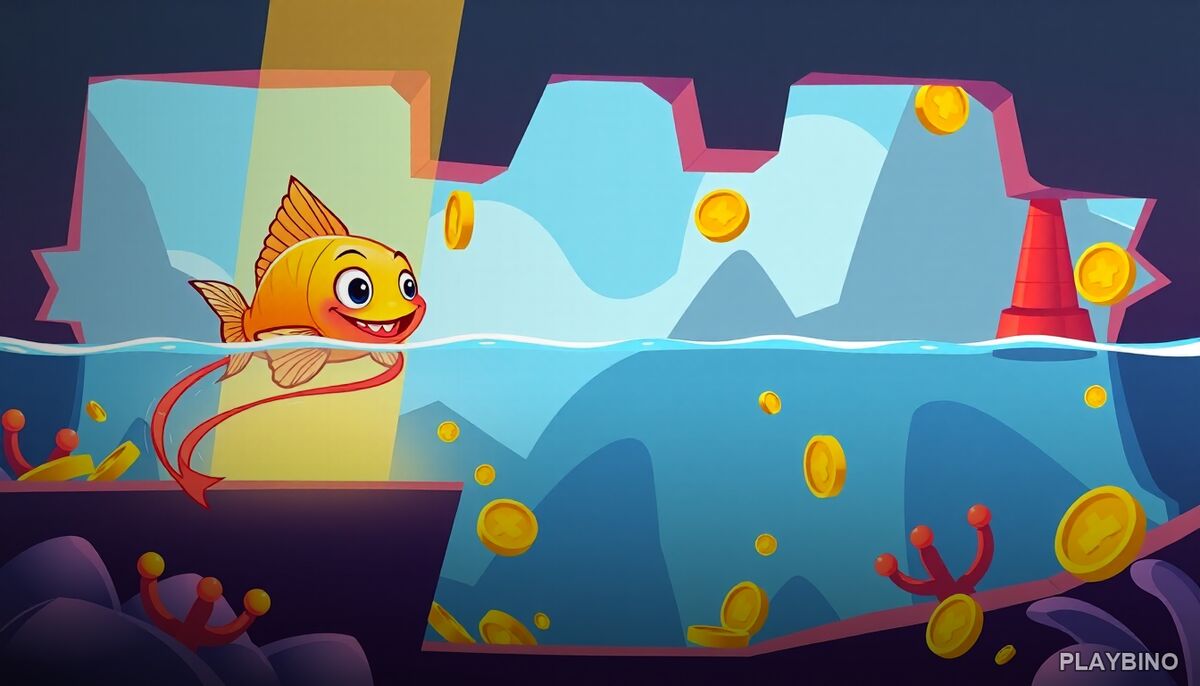
What the Game Is About
The premise is simple but the execution demands patience. A fish is trapped, surrounded by water channels, hazards, and a series of pins holding everything in place. Your job is to pull those pins in the right sequence so the water flows correctly and the fish reaches safety. Pull the wrong one first and lava floods the path, or a sharp obstacle drops directly into the fish's route. The full challenge unfolds across dozens of levels that start approachable and gradually become genuinely tricky.
How the Pin Mechanics Work
Each pin acts as a gate. Some hold back clean water that the fish needs to swim through. Others contain dangerous liquids or release falling objects. The puzzle logic is built entirely around cause and effect: remove one pin and something shifts, which may open or block a path elsewhere in the level.
Early levels let you experiment without much consequence. You quickly learn which visual cues signal danger — lava tends to sit above the fish's path, while helpful water flows are usually positioned to fill empty channels below. That visual language becomes your main tool for reading a new level before touching anything.
Sequence and Timing
The order of pulls matters more than anything else. Some levels have a strict correct sequence, while others allow a bit of flexibility depending on how the water physics settle. Watching how liquids interact after each pull teaches you how to plan two or three moves ahead rather than reacting to each result individually.
Hazards and What to Watch For
Beyond lava, later levels introduce sharp obstacles that drop when certain pins are removed. Some channels have multiple branches, meaning a single pin release can send water in two directions at once. Recognizing these branching points early prevents wasted attempts.
- Lava flows block or destroy the fish's path if released too early
- Sharp objects fall when specific structural pins are pulled
- Water can split across multiple channels depending on pin placement
- Some levels require clearing hazards before opening the fish's exit route
Level Progression and Difficulty Curve
The difficulty curve is well-paced for a single-player logic game. The first handful of levels function as a tutorial without labeling themselves as one. New elements are introduced one at a time, giving you space to understand each mechanic before the next one layers on top. By the midpoint of the game, levels combine lava, falling obstacles, and multi-branch water flows in ways that require genuine planning rather than trial and error.
When Levels Get Difficult
The harder stages reward players who pause before pulling anything. Scanning the full layout, identifying where hazards sit relative to the fish, and mentally tracing possible water routes before acting is the most reliable approach. Rushing through early pulls almost always creates a problem that cannot be undone without restarting.
Strategy That Actually Helps
One consistent approach that works across most levels: clear hazards before opening the fish's path. If lava or a sharp object is positioned anywhere near the intended route, find the pin that neutralizes it first, even if that means temporarily blocking the water flow. Once the danger is removed, the path to the exit usually becomes straightforward.
Another useful habit is identifying the exit point at the start of each level. Working backwards from where the fish needs to go often reveals which pins are essential and which ones can be pulled in any order.
A Different Kind of Sequence Puzzle
Pin Fish Escape sits in the same logic space as games built around chain reactions and environmental puzzles. If you enjoy this style of sequential thinking, Ropeway Master takes a related approach to sequencing and spatial reasoning — that browser challenge is worth exploring alongside this one. Both games reward players who think before they act rather than clicking through quickly.
PlayBino hosts both titles directly in the browser, so no downloads or installs are needed. The puzzle format works well in short sessions, making it easy to return to a difficult level without losing progress.