Sea Monsters Mahjong: Tile-Matching Strategy in an Underwater World
An Ocean Setting for a Classic Puzzle Format
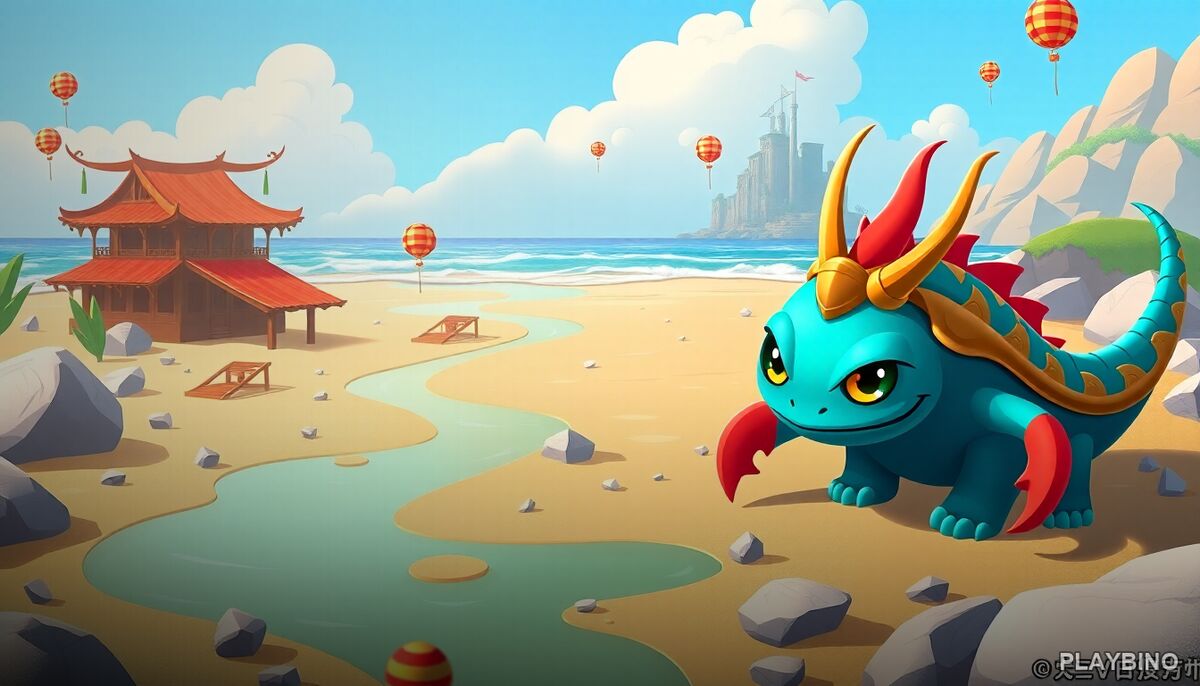
Tile-matching puzzles have a long history, and Sea Monsters Mahjong refreshes the format with a mythical underwater theme. The board is filled with colorful tiles decorated with sea creatures, marine symbols, and ocean motifs. The atmosphere is calm and focused — exactly the kind of backdrop that suits a brain-heavy puzzle session. If you want to see the layout for yourself, play it directly in your browser and get a feel for the board before reading further.
How the Matching Rules Work
The core mechanic follows traditional mahjong tile logic. You select two identical tiles to remove them from the board, but not every tile is available at all times. A tile can only be selected when it has no adjacent neighbors blocking it on the left or right side, and when it is not covered by another tile above it.
This exposure rule is what separates mahjong from simpler match-3 puzzles. You are not just looking for pairs — you are constantly evaluating which tiles are currently accessible and which ones will become accessible after a removal. That layer of positional thinking is what gives the game its puzzle identity.
Reading the Board
Before making any move, scan the full layout. Identify clusters where multiple tiles of the same type are stacked or blocked. Freeing those clusters early often opens up large portions of the board. Rushing toward obvious pairs without considering what lies beneath them is one of the most common ways to reach a dead end.
Planning Several Moves Ahead
The board evolves with every pair you remove. A match that looks safe in isolation can lock you out of critical tiles two or three moves later. Mentally tracing the consequences of each removal — even just two steps forward — dramatically reduces the chance of running out of valid matches before the board is cleared.
What Makes the Layouts Challenging
As rounds progress, the tile arrangements grow more complex. Tiles are stacked in multi-layer configurations, and certain sea creature symbols appear less frequently than others, making their pairs harder to locate quickly. The visual design keeps things readable, but the density of the layouts demands sustained attention.
The mythical sea creatures add a layer of visual variety that helps distinguish tile types at a glance. Recognizing symbols quickly matters more in later stages, where the window for efficient decision-making narrows.
Strategy Tips for Clearing the Board
- Prioritize removing tiles from the top layers first to expose buried pieces.
- Avoid clearing easy surface pairs if doing so blocks access to rarer tile types below.
- When two identical tiles are both accessible, consider which removal opens more options before committing.
- Keep track of how many copies of each symbol remain visible — if only one is exposed, the pair cannot be matched yet.
- If the board feels stuck, look for any accessible pair that uncovers a new layer rather than one that leaves the structure unchanged.
Who This Game Suits
Sea Monsters Mahjong works well for players who enjoy logic puzzles that reward observation and forward planning. The pace is unhurried, which makes it a good fit for sessions where you want to think carefully rather than react quickly. The ocean theme adds a distinctive visual identity without distracting from the puzzle mechanics. It sits comfortably in the brain puzzle category — not frantic, but genuinely demanding when the layouts get dense.
Players who enjoy this style of tile logic might also find Mahjong Tiles Quest worth exploring — another tile-matching challenge with its own layout approach and puzzle structure available on PlayBino.
Replay Value and Progression
Each round presents a new arrangement, so the challenge stays fresh across multiple sessions. The combination of changing layouts and the need to adapt strategy keeps the game from feeling repetitive. Clearing a dense board cleanly — without hitting a dead end — delivers a satisfying sense of completion that encourages another round.