Spider Solitaire 3: Strategy, Suits, and Sequencing
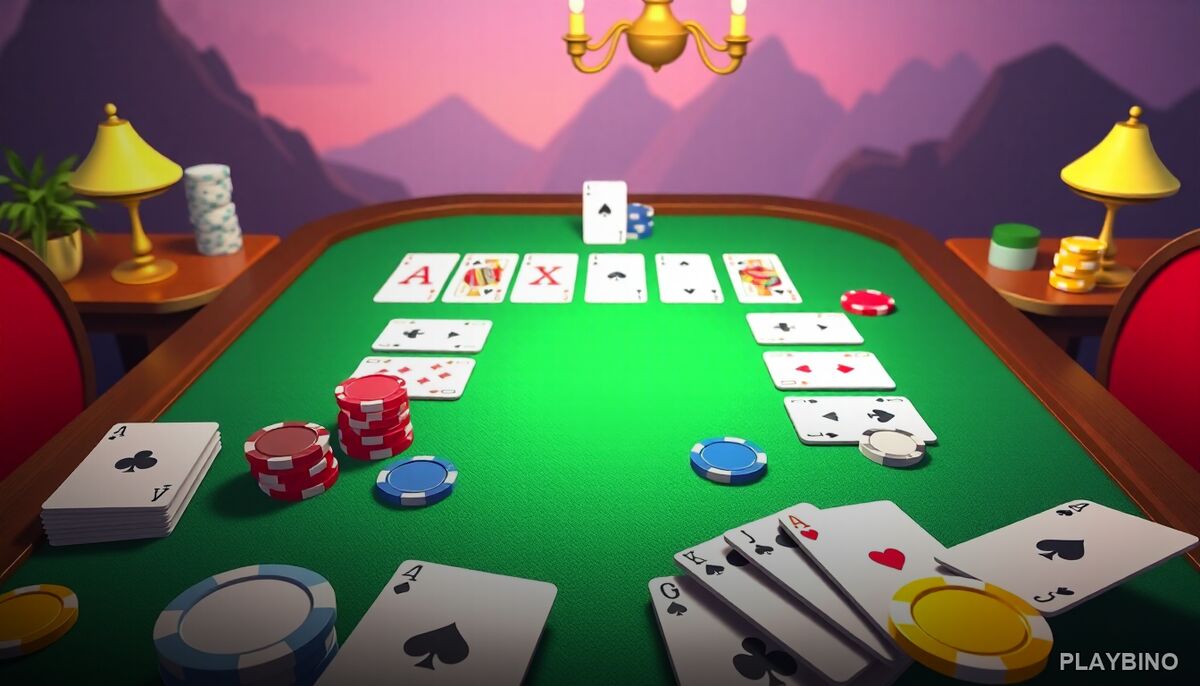
What You're Actually Doing
Spider Solitaire 3 is a card-arranging puzzle built around one core objective: build complete descending sequences from King down to Ace, all in the same suit, across eight columns of two shuffled decks. When a full sequence is assembled, it lifts off the table and clears from play. Do that enough times and the board empties. Simple to describe, genuinely demanding to execute.
The challenge lives in the gap between what you want to do and what the layout allows. Cards block each other constantly, and every move you make either opens a path or closes one. Play it in your browser and the first thing you notice is how quickly a promising board can turn into a gridlock if you move without thinking two or three steps ahead.
Suit Difficulty and How It Changes Everything
The game offers three difficulty modes based on how many suits are in play: one, two, or four. This single setting completely changes the character of the game.
- One suit: All cards share the same suit, so any descending sequence counts. Sequences form quickly and the board clears at a manageable pace. Good for learning the rhythm.
- Two suits: Cards come in two suits, meaning you need to pay attention to color and suit matching. Sequences are harder to complete without careful sorting.
- Four suits: The full deck with all four suits in play. Every sequence must be a single suit from King to Ace. Columns fill with mixed suits that block each other constantly, and clearing the board requires serious planning and patience.
Most players start on one suit and move up once the sequencing logic feels natural. Four-suit games can take a long time to resolve and often require restarting columns from scratch when a move chain collapses.
The Logic Behind Good Moves
Column Management
Eight columns sounds like a lot of space. It isn't. As you deal new rows of cards from the stock pile, columns grow and the available moves shrink. Keeping at least one or two columns partially clear gives you room to maneuver cards temporarily while you build sequences elsewhere. Letting every column fill to the top is usually how games end in a stalemate.
Dealing From the Stock
Dealing a new row is tempting when you feel stuck, but it adds ten cards across all eight columns simultaneously. If you deal too early without clearing some sequences first, the board becomes unmanageable fast. Experienced players delay dealing as long as possible, squeezing every useful move out of the current layout before adding more cards.
Sequence Priority
Not all partial sequences are equally useful. A long descending run of the same suit sitting near completion is worth protecting. A mixed-suit chain that happens to descend numerically can be moved as a unit in some versions, but it won't clear until it's converted to a single suit. Recognizing which chains are worth building and which are dead ends is where the real strategy lives.
Why the Minimal Interface Works
The design keeps everything focused on the cards. There's no timer counting down, no score multiplier pressuring fast play, and no distracting animations. The logic puzzle aspect of Spider Solitaire 3 benefits from this restraint. Brain games like this one reward deliberate thinking, and a cluttered interface would work against that. The clean layout means your attention stays on card positions, suit colors, and sequence possibilities rather than anything else.
Who This Game Suits
If you enjoy logic puzzles and strategy games where a single decision ripples through the rest of the session, this format fits well. It's also a strong choice for players who want a game they can pause and return to without losing context. The board state tells its own story at a glance.
Something worth mentioning for players who like games that demand careful attention: That's Not My Neighbor 2 is a very different genre but shares that same quality of requiring close observation and deliberate decision-making under pressure. Worth a look if the mental engagement is what draws you here.
Playing on PlayBino
Spider Solitaire 3 runs directly in the browser on PlayBino with no installation needed. The adjustable difficulty makes it accessible whether you want a relaxed single-suit session or a demanding four-suit challenge that takes real concentration to complete. The two-deck format keeps the puzzle large enough to stay interesting across multiple plays without ever feeling like the same game twice.
"