That\'s Not My Neighbor 2: Spot the Impostor Before It\'s Too Late
What You're Actually Doing at the Door
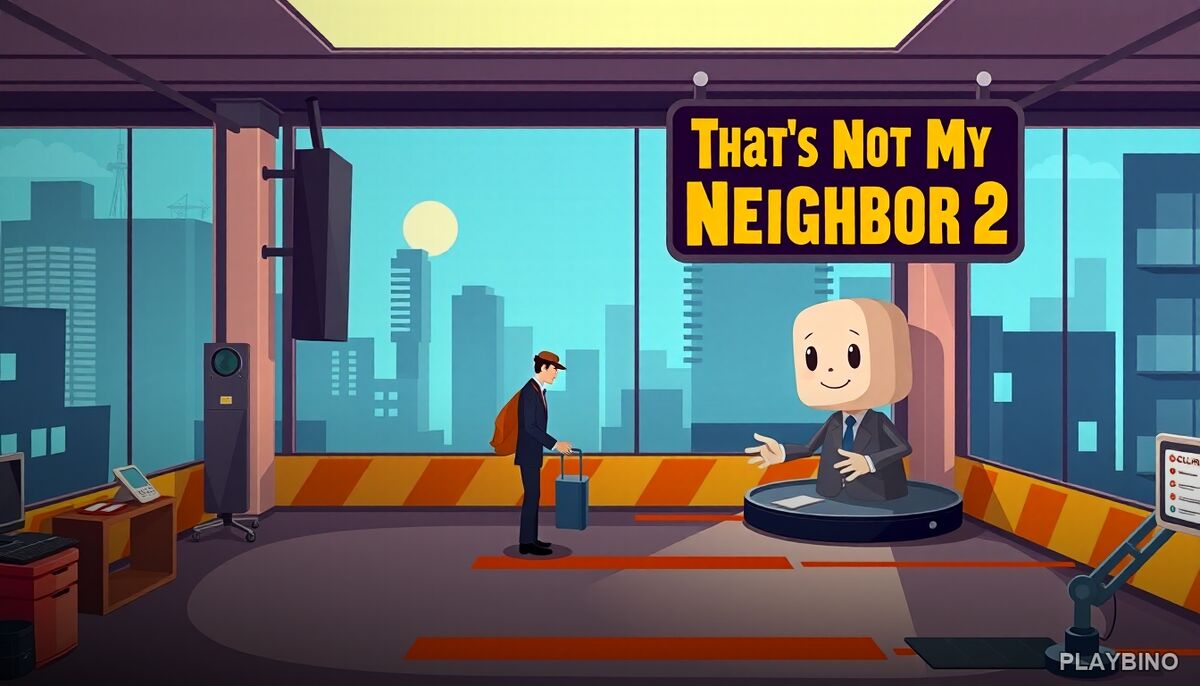
You're a doorman. That's the setup. But the job is anything but routine. Shapeshifting creatures are trying to blend in with the real residents of your apartment building, and your only tools are a stack of documents, your eyes, and your instincts. Every visitor who approaches your checkpoint needs to be verified before you decide whether to let them through or turn them away.
The pressure is immediate. This identity-verification puzzle doesn't ease you in gently. From the first encounter, you're cross-referencing faces against records, checking document details, and looking for anything that feels slightly off. The creatures aren't always obvious. That's what makes each decision feel genuinely tense.
The Verification Loop
The core mechanic is built around careful observation and methodical comparison. Each resident in the building has documented traits stored in your records — physical descriptions, apartment numbers, and other identifying information. When someone arrives at the door, you compare what you see and what they present against what's on file.
Documents and Discrepancies
Impostors make mistakes. Sometimes it's a name that doesn't quite match. Sometimes it's a physical feature that contradicts the file. The inconsistencies are intentional but subtle — a slightly wrong eye color, an address that doesn't line up, a signature that looks rushed. The game rewards players who slow down and check everything rather than acting on first impressions.
Behavioral Cues
Beyond documents, behavior matters too. Real neighbors act like they belong. Creatures under pressure sometimes hesitate, respond oddly, or push too hard to get through. Picking up on those behavioral signals adds another layer to the logic puzzle structure. It's not just about reading paperwork — it's about reading the situation.
Tension as a Mechanic
One of the more interesting design choices here is how tension is used as a gameplay element rather than just atmosphere. Each encounter carries real stakes. A wrong call — letting a creature through or rejecting a genuine resident — has consequences. The game doesn't let mistakes slide quietly. That accountability forces you to stay focused across every single interaction, not just the ones that feel suspicious at first glance.
As the game progresses, the creatures become more convincing. Early impostors might have obvious tells. Later ones are polished enough that you'll second-guess yourself on legitimate residents. That escalating difficulty keeps the brain puzzle loop from going stale.
Who This Game Suits
If you enjoy strategy games that reward patience over reflexes, this one fits well. There's no time pressure forcing snap decisions — the challenge is entirely cognitive. You're building a mental model of each resident, tracking inconsistencies, and making judgment calls based on incomplete or conflicting information. Players who like logic puzzles, hidden difference games, or deduction mechanics will find the format familiar but distinctly more atmospheric than most.
For a different kind of observation challenge, Find the Odd One offers a lighter take on spotting what doesn't belong, which makes for an interesting contrast in pacing and pressure.
What Makes Each Run Feel Different
- Visitor order and impostor placement vary, keeping you from memorizing patterns
- Creatures adapt and become harder to distinguish as you progress
- Document details shift between sessions, so no two checkpoints feel identical
- Your own growing familiarity with residents creates a false sense of security the game exploits
That last point is worth emphasizing. The game actively uses your confidence against you. Once you feel like you know the residents well, the impostors start mimicking them more precisely. Staying sharp means never fully relaxing, even when a visitor seems completely familiar.
Checkpoint Strategy
The most effective approach is to build a consistent verification routine and stick to it regardless of how obvious a case seems. Check the document first, then compare the physical description, then look for behavioral signals. Skipping steps because someone looks right is exactly how the game catches you out. PlayBino hosts the full experience in-browser, so there's no setup needed — just sit down, focus, and start checking faces.