Stickman Heel Runner: Precision Platforming at Full Speed
What Kind of Game Is This?
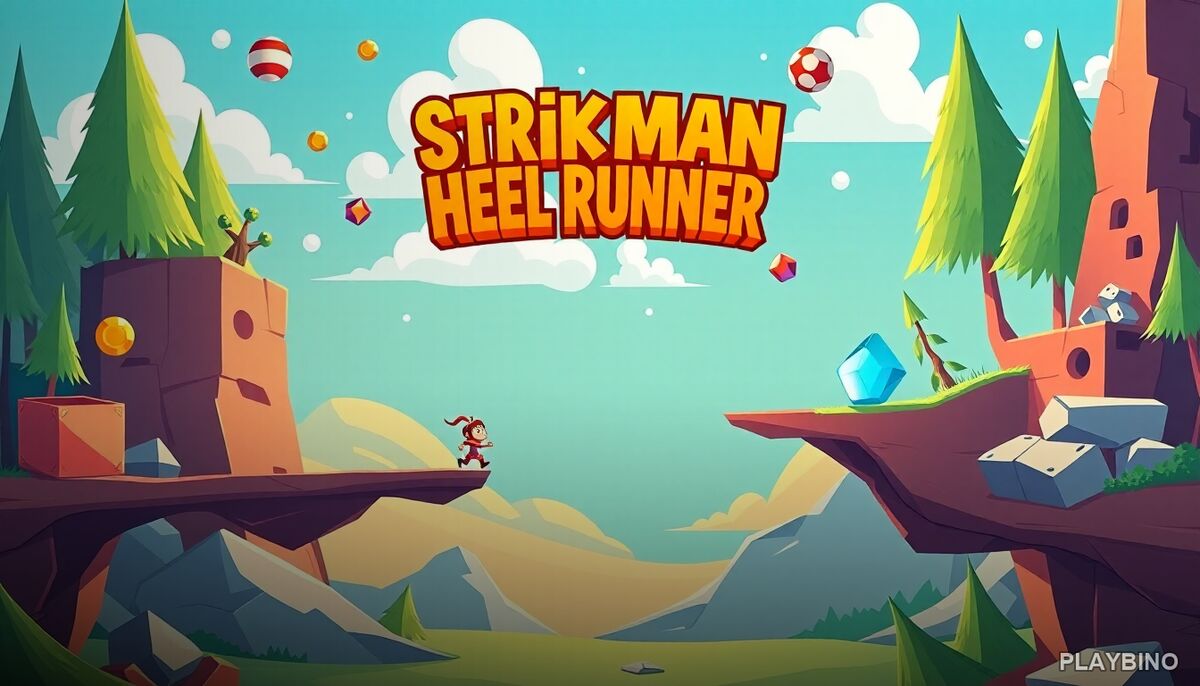
Stickman Heel Runner sits at the intersection of endless runner and precision platformer. The core loop is simple: keep moving, read what's ahead, and react fast enough to survive. But the game earns its difficulty through escalating obstacle patterns that punish hesitation and reward players who can lock into a rhythm. Play it directly in your browser and the challenge becomes clear within the first few seconds.
The Core Mechanics
Every run is built around timing. The stickman moves at a consistent pace, and the player's job is to navigate gaps, barriers, and moving hazards without breaking stride. There's no complex control scheme to memorize — the challenge comes entirely from execution. Knowing when to jump, when to hold back, and when to commit to a path is what separates clean runs from failed ones.
Hazards and Obstacles
Obstacles don't repeat in the same order forever. The game introduces new configurations as difficulty climbs, so players can't rely on muscle memory alone. Moving hazards in particular demand attention because their timing shifts relative to the player's speed. Reading the pattern before committing to a move is often the difference between clearing a section and restarting.
Power-Ups
Scattered through each course are power-ups that offer temporary advantages — brief windows where the pressure eases slightly. These aren't handed out generously, so recognizing when to chase one versus when to focus on the obstacle directly ahead becomes a small but meaningful decision during harder sections.
Rhythm and Pattern Recognition
What makes this game click for players who stick with it is the rhythm layer underneath the action. Once a section becomes familiar, movement starts to feel less reactive and more musical — each jump and dodge landing on a beat the player has internalized. That shift from panic to flow is the real reward loop, and it's what drives repeated attempts even after a frustrating run.
Level Structure and Replay Value
Short levels work in the game's favor. A single run doesn't demand a long time commitment, which makes retrying feel low-stakes even when the difficulty spikes. The motivation to shave time off a completed course or execute a flawless run without a single mistake adds replay depth that purely score-based runners sometimes lack. The clean visual style strips the screen down to what matters — the stickman, the course, and the next obstacle.
Who This Game Suits
- Players who enjoy action and skill-based challenges without complex systems
- Anyone looking for short, repeatable sessions that still feel rewarding
- Fans of precision platformers who want something browser-accessible
- Players motivated by improving personal times rather than competing on leaderboards
Stick Run Parkour covers similar ground — another stickman runner worth a look if this style of fast-paced obstacle navigation appeals to you.
Strategy for Better Runs
The biggest gains come from slowing down mentally, not physically. The game runs at its own pace, but players who try to rush their decisions tend to misread hazard timing. Focus on the obstacle two or three moves ahead rather than reacting to what's immediately in front. On PlayBino, this kind of browser skill game rewards patience more than raw speed — the fastest-looking runs are usually the most composed ones underneath.