That\'s Not My Neighbor Spot the Difference: Visual Puzzle Guide
What Kind of Puzzle Is This?
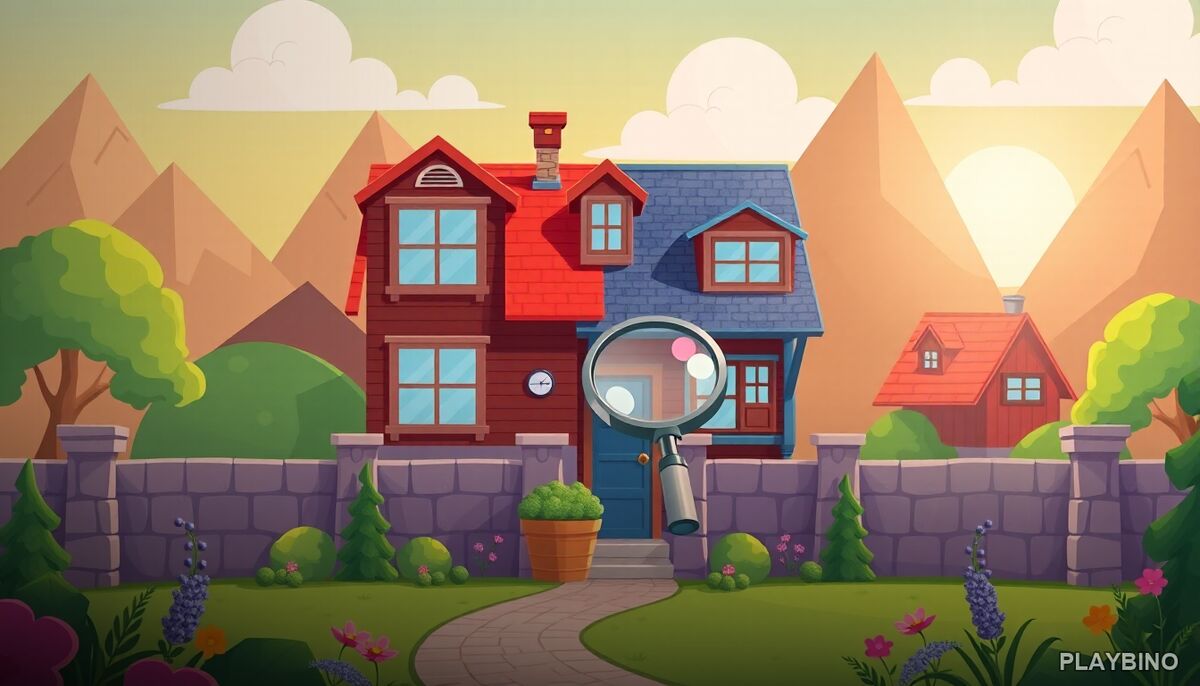
Spot-the-difference games sit at a unique crossroads between memory training and visual observation. That's Not My Neighbor Spot the Difference leans into that space with side-by-side image comparisons that demand genuine attention. Two nearly identical scenes sit next to each other, and your job is to find every subtle variation before moving on. You can try the full challenge in your browser without any downloads or setup.
The game draws on the recognizable aesthetic of the ""That's Not My Neighbor"" universe, placing players in a setting full of character and visual detail. That familiarity actually works against you — your brain fills in gaps it expects to see, which makes spotting genuine differences harder than it sounds.
How the Observation Mechanic Works
Each level presents two images placed side by side. The differences between them range from obvious color swaps to nearly invisible detail removals. Some changes affect large elements like clothing or background objects. Others hide in shadows, texture patterns, or the edges of the frame where your eye naturally drifts away.
What Changes Look Like
The types of differences vary deliberately across levels. You might notice a missing button on a coat in one image, a slightly altered window frame, or a shadow that falls at a different angle. The game mixes easy finds with genuinely tricky ones in the same puzzle, which keeps the pacing from feeling flat.
Marking Your Finds
Clicking or tapping on a difference registers it immediately. There's a satisfying feedback loop to this — each confirmed find gives a small visual reward that reinforces continued focus. Miss a spot and the puzzle stays incomplete, which encourages thoroughness rather than guessing.
Difficulty and Progression
Early levels introduce the format gently. Differences are more visible, and the scenes contain fewer competing details. As levels advance, the complexity increases in several ways:
- More differences per image, requiring longer examination
- Smaller and more subtle changes hidden in busy backgrounds
- Differences placed in peripheral areas where attention naturally weakens
- Color and lighting shifts that are easy to rationalize as intentional
This progression means the game scales well for both casual puzzle players and those who enjoy a more demanding brain workout. The memory element becomes more prominent in later stages, where holding the left image in mind while scanning the right requires active cognitive effort.
Strategy for Finding Hidden Differences
Random scanning works for the obvious changes but fails on harder levels. A more reliable approach is systematic: divide each image into a mental grid and work through it section by section. Start from one corner and move horizontally or vertically rather than jumping between areas.
Pay particular attention to edges and corners — these are common hiding spots for subtle alterations. Also look at repeated patterns like wallpaper, fabric textures, or architectural details. When a pattern breaks slightly, that break is almost always a difference rather than a rendering artifact.
Taking short pauses and returning fresh eyes to a difficult puzzle also helps. The brain tends to normalize what it sees after prolonged focus, so stepping back briefly can reveal a change that felt invisible moments earlier.
A Comparable Puzzle Experience
Players who enjoy this format often find themselves drawn to other visual comparison games. Fairy Tale Find 5 Differences offers a similar observation challenge set in a storybook visual style — that puzzle experience covers what makes it worth playing alongside this one. Both games reward patience and a methodical approach over speed.
Who This Game Suits Best
That's Not My Neighbor Spot the Difference works well as a short-session brain exercise. The puzzle format fits naturally into a five-minute break without demanding long-term commitment. At the same time, the increasing difficulty gives dedicated players a reason to push through multiple levels in one sitting.
The visual style adds personality that generic spot-the-difference games often lack. If you appreciate puzzle games that combine atmosphere with genuine cognitive challenge, PlayBino hosts this one as a ready-to-play browser experience with no friction between you and the first level.
"