Truck Simulator Construction: Haul, Park, and Build Your Reputation
What You're Actually Doing on the Job Site
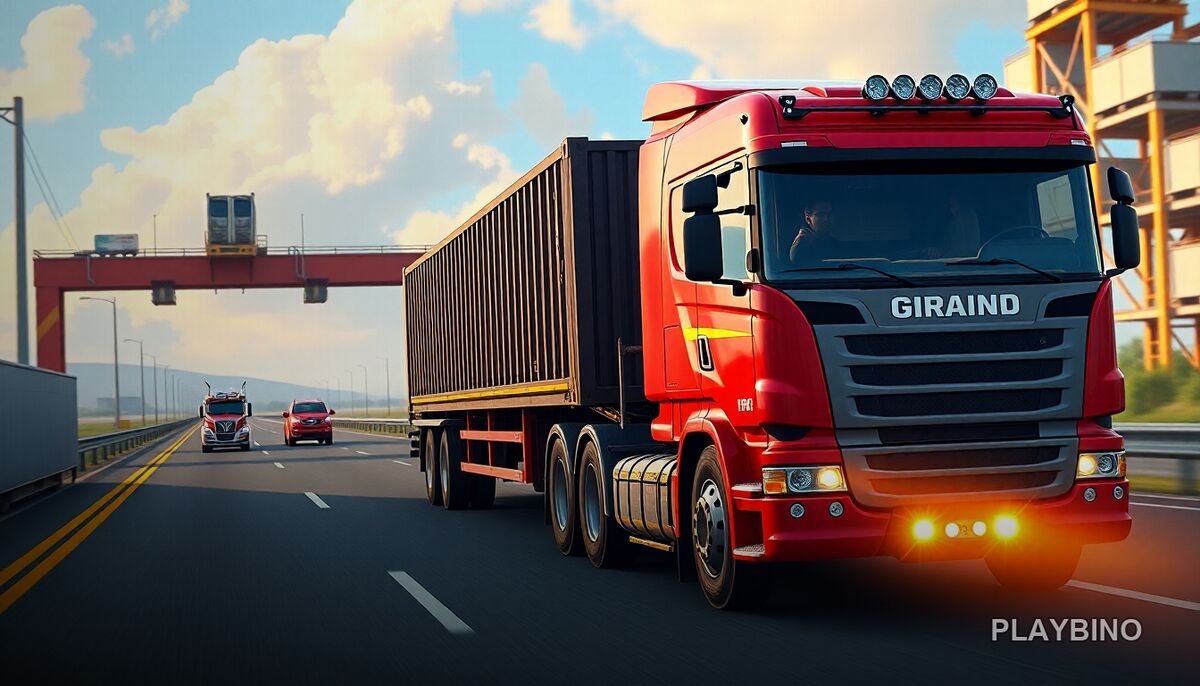
Construction sites are messy, tight, and unforgiving — and that's exactly the environment this game drops you into. Truck Simulator Construction puts you behind the wheel of industrial vehicles tasked with hauling materials, positioning equipment, and executing deliveries under real pressure. It's not a casual racer. The focus is precision, spatial awareness, and understanding how large machines behave when the ground isn't flat.
Each contract has a specific objective. Sometimes you're moving loads across a rough terrain section. Other times you're reversing a trailer into a narrow loading zone or operating crane equipment for heavy lifts. The game captures the weight and momentum of industrial vehicles in a way that makes every maneuver feel deliberate.
Physics and Vehicle Handling
The physics model is the core of what makes this simulation work. Throttle control matters — accelerate too fast on uneven ground and you lose stability. Brake too hard and your load shifts. Reversing with a trailer attached requires patience and a clear mental picture of how the rear axle responds to steering input.
Terrain and Weather
Not every contract takes place on smooth pavement. Mud, gravel, and construction debris affect traction and handling. Weather conditions introduce additional unpredictability, so a route that felt manageable in dry conditions becomes a different challenge when visibility drops or surfaces become slick.
Parking and Positioning
Many missions end with a parking or placement requirement. Getting the truck or crane into the exact position the contract demands is often harder than the drive itself. Spatial judgment and slow, controlled inputs are what separate clean completions from failed attempts.
Contract Structure and Progression
Missions are structured around contracts, and completing them successfully builds your reputation. That reputation unlocks more complex projects and access to more powerful vehicles. Early contracts are straightforward — basic hauls on manageable terrain. As you progress, the job sites become more demanding, the equipment heavier, and the margin for error smaller.
- Early missions: basic material transport on open sites
- Mid-game: trailer reversing, crane operation, tighter spaces
- Late contracts: multi-step objectives across varied environments
- Unlockable vehicles with different handling profiles
- Time pressure increases as reputation grows
What Kind of Player Enjoys This
If you enjoy simulation games that reward patience over speed, this fits well. The satisfaction here isn't about finishing first — it's about executing a flawless delivery, parking a massive vehicle in a space that barely fits, or managing a crane lift without incident. Players who like logistics, vehicle physics, and methodical problem-solving will find the progression genuinely rewarding.
It shares DNA with other vehicle-based simulations focused on handling feel rather than arcade speed. If large-vehicle maneuvering appeals to you, a comparable driving simulation worth exploring is Auto Bus Driving 2024, which puts similar emphasis on controlled movement through real-world environments.
Site Hazards and Obstacles
Active construction sites aren't static. Obstacles appear mid-route, other machinery occupies space you need, and the layout of a site can change between contracts. Learning to read the environment before committing to a path is part of the skill set the game develops. Rushing leads to collisions, failed objectives, and lost reputation points.
Getting the Most from Each Mission
The most effective approach is to survey the route before moving. Identify tight corners, elevation changes, and where you'll need to stop or reposition. Use low speeds when maneuvering near other equipment. On PlayBino, the game runs directly in the browser, so there's no setup required — just load the contract and focus on execution. Mastering one vehicle type fully before moving to the next also helps, since handling differences between trucks and crane vehicles are significant enough to require separate adjustment periods.