World of Alice Emotions: Helping Kids Learn Feelings Through Play
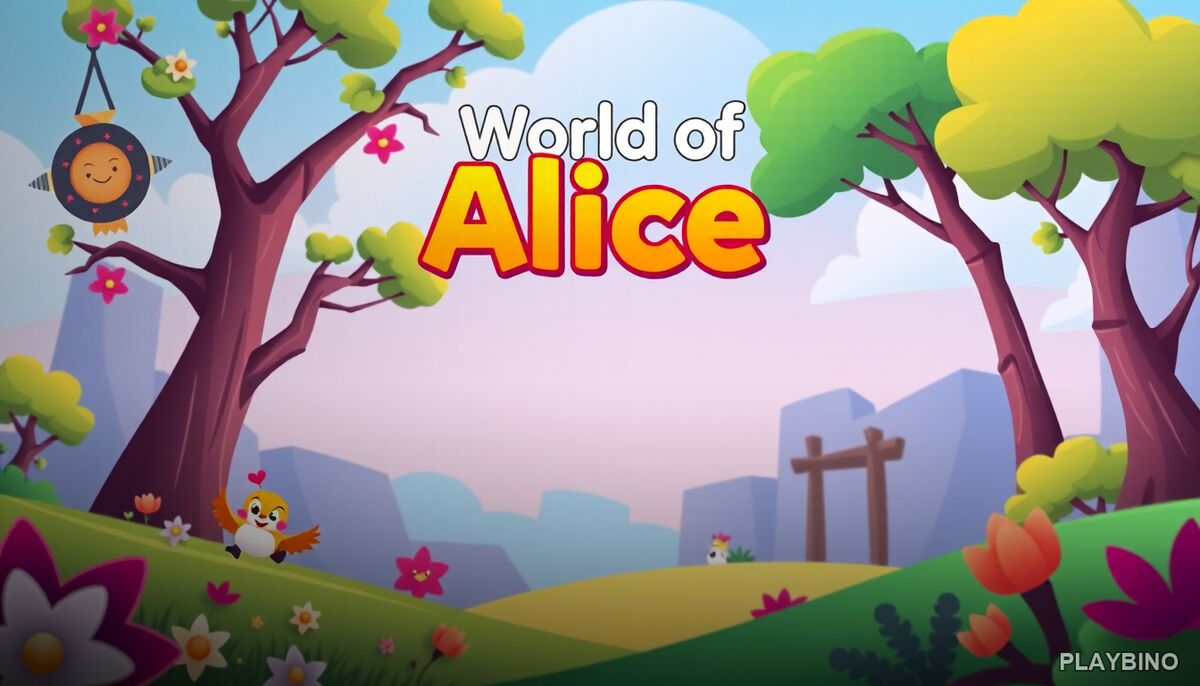
What This Game Is About
Emotional literacy is one of the earliest and most important skills young children develop, and World of Alice Emotions turns that learning into an interactive experience. The game presents colorful illustrated characters showing a range of feelings — happiness, sadness, anger, surprise, frustration, excitement — and asks children to identify and match those expressions. Play it directly in your browser with no downloads or setup required.
The approach is calm and structured. Each level introduces a small set of emotions before asking players to apply what they have seen. The visual design is friendly and clear, using exaggerated facial expressions that young children can read without needing to rely on text.
How the Matching Activities Work
At its core, this is a memory and puzzle game built around emotional recognition. Children tap or click on a face that matches a named feeling, or pair illustrated characters who share the same expression. The mechanics stay simple on purpose — the challenge is cognitive and emotional, not mechanical.
Progression Through Feelings
Early levels focus on the most recognizable emotions: happy, sad, angry, surprised. As a child becomes comfortable with these, the game introduces more layered feelings like frustration or excitement. This gradual expansion keeps the experience from feeling overwhelming while still moving forward at a meaningful pace.
Repetition and Reinforcement
Correct matches are rewarded with positive animations and gentle feedback. Wrong answers are handled without punishment — the game simply encourages another try. This low-pressure loop helps children build confidence alongside vocabulary, which is the right balance for this age group.
Visual Design and Accessibility
The illustrations use bold colors and expressive characters that communicate clearly at a glance. There is no cluttered interface or distracting background noise. Every screen keeps the focus on the emotional content, which matters when the audience is young children who can easily lose attention to visual noise.
The straightforward layout also means a child can navigate independently after a short introduction from a parent or teacher. Buttons are large, targets are easy to hit, and the feedback is immediate.
What Children Actually Learn
Beyond simple identification, the game builds an emotional vocabulary that children can carry into real conversations. Naming feelings is a foundational skill — children who can identify and label their emotions tend to communicate them more effectively. The game reinforces this through repetition across multiple levels, so concepts stick rather than passing through quickly.
- Recognizing basic emotions from facial expressions
- Learning the names of feelings in context
- Matching similar emotional states across different characters
- Building familiarity with more nuanced feelings over time
The World of Alice series takes a similar educational approach across different subjects. If you are exploring other titles in the same series, another game in this collection — World of Alice Parts of the House — applies the same clear visual style to household vocabulary.
Who This Game Works Best For
World of Alice Emotions is aimed at young children, roughly ages three to seven, though older children who are still developing emotional language can benefit too. It works well as a quiet solo activity, a classroom supplement, or something a parent and child explore together. The pacing is relaxed enough that it never feels stressful, and short sessions fit naturally into a daily routine.
PlayBino hosts the game as a free browser experience, making it easy to access from any device without installation. For parents and educators looking for screen time that has a clear developmental purpose, this is a straightforward choice.