World of Alice Parts of the House: Room-by-Room Learning for Young Players
What This Game Is About
Not every browser game needs a timer or a score to be engaging. World of Alice Parts of the House takes a different approach, placing young learners inside a cheerful virtual home and asking them to explore it room by room. The goal is simple: look around, click on objects and areas, and learn what everything is called. Play it directly in your browser and you'll see how quickly children settle into the calm, discovery-based rhythm it creates.
Room-by-Room Exploration
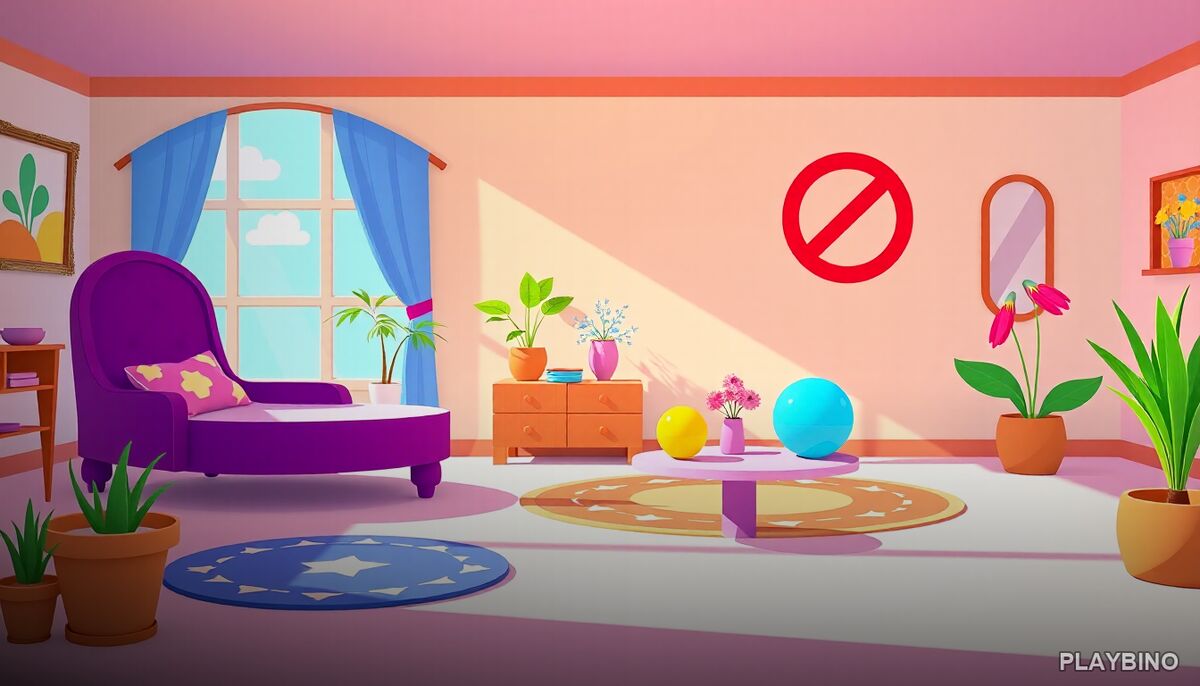
The game moves through familiar household spaces — bedrooms, kitchens, living rooms, and more. Each location is drawn in bright, inviting colors that feel immediately recognizable to young children. There's no maze to navigate or obstacle to avoid. Instead, the environment itself is the puzzle, and the child's job is to interact with it.
Clickable Objects and Labels
Every room contains clickable elements. Tap or click on a piece of furniture, a window, a door, or a fixture, and the game reveals its name. This direct connection between a visual object and its label is the core mechanic. It works because children are already familiar with these spaces from their daily lives, so the vocabulary feels grounded rather than abstract.
Revisiting and Reinforcing
One of the more thoughtful design choices here is that rooms can be revisited freely. There's no forced progression or locked content. A child who wants to go back to the kitchen and click through every item again can do so without any friction. This kind of repetition is genuinely useful for memory and vocabulary retention, especially for early learners.
Brain and Memory Mechanics
The game sits comfortably in the brain and memory puzzle category, though it doesn't feel like a test. The learning happens through recognition rather than recall under pressure. Children see an object, hear or read its name, and gradually build a mental map of household vocabulary. Spatial awareness develops naturally as they move between rooms and start to understand how a home is organized.
Who Plays This and Why
This is built for early learners, roughly preschool to early primary age, who are developing language skills and beginning to connect words to the world around them. It also works well as a supplementary activity for children learning English as a second language, since household vocabulary is one of the first practical areas covered in language curricula.
- No time limits or scoring pressure
- Colorful, age-appropriate visual design
- Familiar real-world environments
- Simple click-based interaction with no complex controls
- Freely revisitable rooms for natural repetition
Parents and educators looking for low-stress screen time that still has a clear learning purpose will find this a reasonable fit. PlayBino hosts the game with no downloads required, so it's easy to access from any browser.
Learning Through Visuals
The visual approach matters here more than it might in other puzzle games. Because the rooms look like real homes rather than stylized fantasy environments, children can transfer what they learn directly to their surroundings. Pointing at a real refrigerator after naming one in the game is exactly the kind of connection this format encourages.
Color recognition and visual categorization are also quietly reinforced throughout. If that kind of color-and-recognition learning appeals to you, another browser game built around color and early childhood learning is worth exploring alongside this one.
Pace and Accessibility
The experience moves at whatever pace the child sets. There's no countdown, no failure state, and no frustration loop. For younger players who are still developing fine motor control, the large clickable areas make interaction forgiving. The game doesn't demand precision — it rewards curiosity, which is exactly the right priority for this age group and learning style.
"