World of Alice Pirate Treasure: Logic Puzzles for Young Explorers
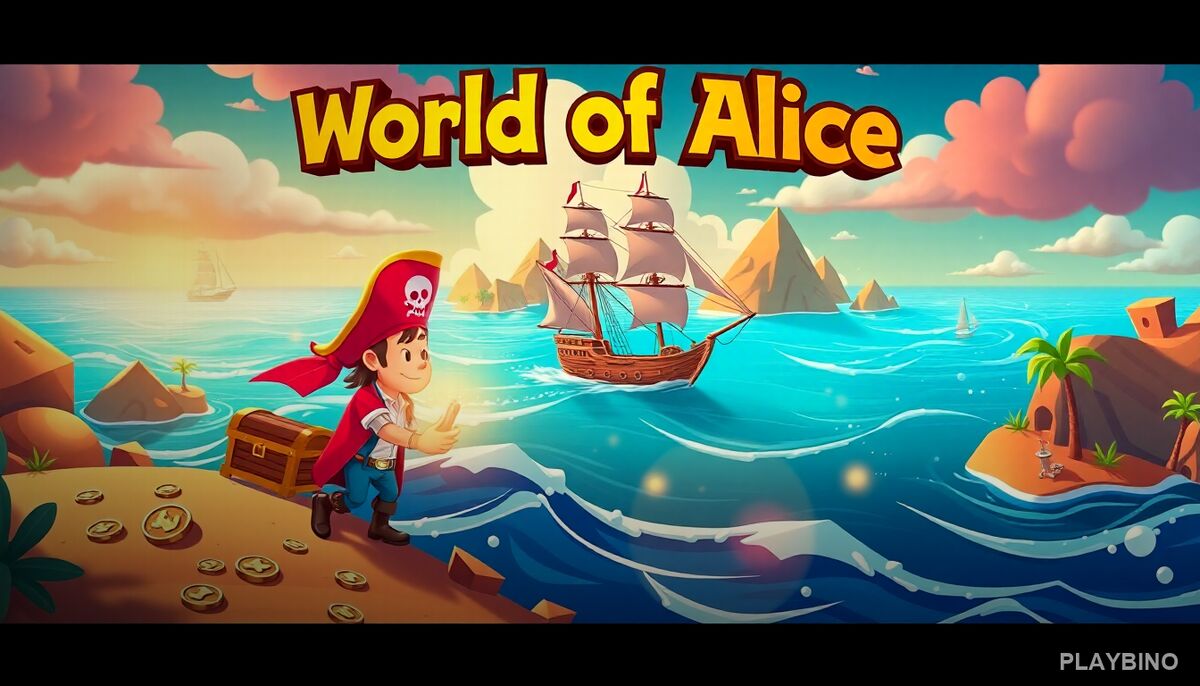
A Treasure Hunt Built on Logic
Not every puzzle game manages to make critical thinking feel like an adventure. World of Alice Pirate Treasure does exactly that by wrapping brain-teasing challenges inside a pirate quest where every solved riddle brings young players one step closer to buried gold. The colorful maps, playful characters, and rewarding discoveries keep children engaged without ever feeling like a structured lesson. You can start the hunt directly in your browser and see how the puzzles unfold from the very first clue.
What the Player Actually Does
Each stage presents a set of riddles and visual clues that point toward the treasure's location. Players must observe the environment carefully, identify patterns, and apply logical reasoning to move forward. There is no guessing mechanic here. Progress depends entirely on reading the clues correctly and connecting the right pieces of information.
As the adventure continues, the puzzles grow more layered. Early stages introduce simple observation tasks, while later challenges ask players to hold multiple clues in mind at once and reason through them step by step. The difficulty curve feels natural rather than sudden, which keeps younger players from hitting a frustrating wall too early.
Puzzle Mechanics and How They Work
Clue Decoding
The core mechanic revolves around interpreting visual and logical clues embedded in each map. Children are not simply matching shapes or tapping the right answer from a list. They are reading the environment, understanding spatial relationships, and drawing conclusions. This kind of active reasoning is what separates the game from passive educational content.
Progressive Complexity
The puzzle design scales gradually. Each new challenge introduces a slightly different type of logical problem, which prevents the experience from becoming repetitive. Some puzzles focus on sequencing, others on elimination, and some require players to combine both approaches. The variety keeps the brain engaged across multiple sessions.
Who Plays This and Why It Works
The game is clearly aimed at younger players, but the logic challenges are genuine. Children who enjoy brain teasers, map reading, or any kind of detective-style thinking will find the pirate setting a natural fit. The atmosphere is warm and colorful without being distracting, and the reward of uncovering treasure gives each solved puzzle a satisfying payoff.
Parents looking for screen time that builds reasoning skills rather than just reflexes will appreciate the structure. The game does not rely on fast tapping or reaction speed. Every moment of progress comes from thinking, which makes it a strong choice for players who prefer logic over action.
Skills the Game Develops
- Logical reasoning through multi-step clue interpretation
- Spatial awareness from reading interactive maps
- Pattern recognition across varied puzzle types
- Focused observation in visually detailed environments
- Sequential thinking when solving elimination-based challenges
A Similar Challenge Worth Exploring
Players who enjoy this kind of structured brain puzzle may also find value in Number Kids, another early-learning puzzle experience that builds foundational reasoning through number-based challenges. Both games share a focus on logical thinking presented in an approachable, child-friendly format. PlayBino hosts both titles, making it easy to move from one type of mental challenge to another without leaving the browser.